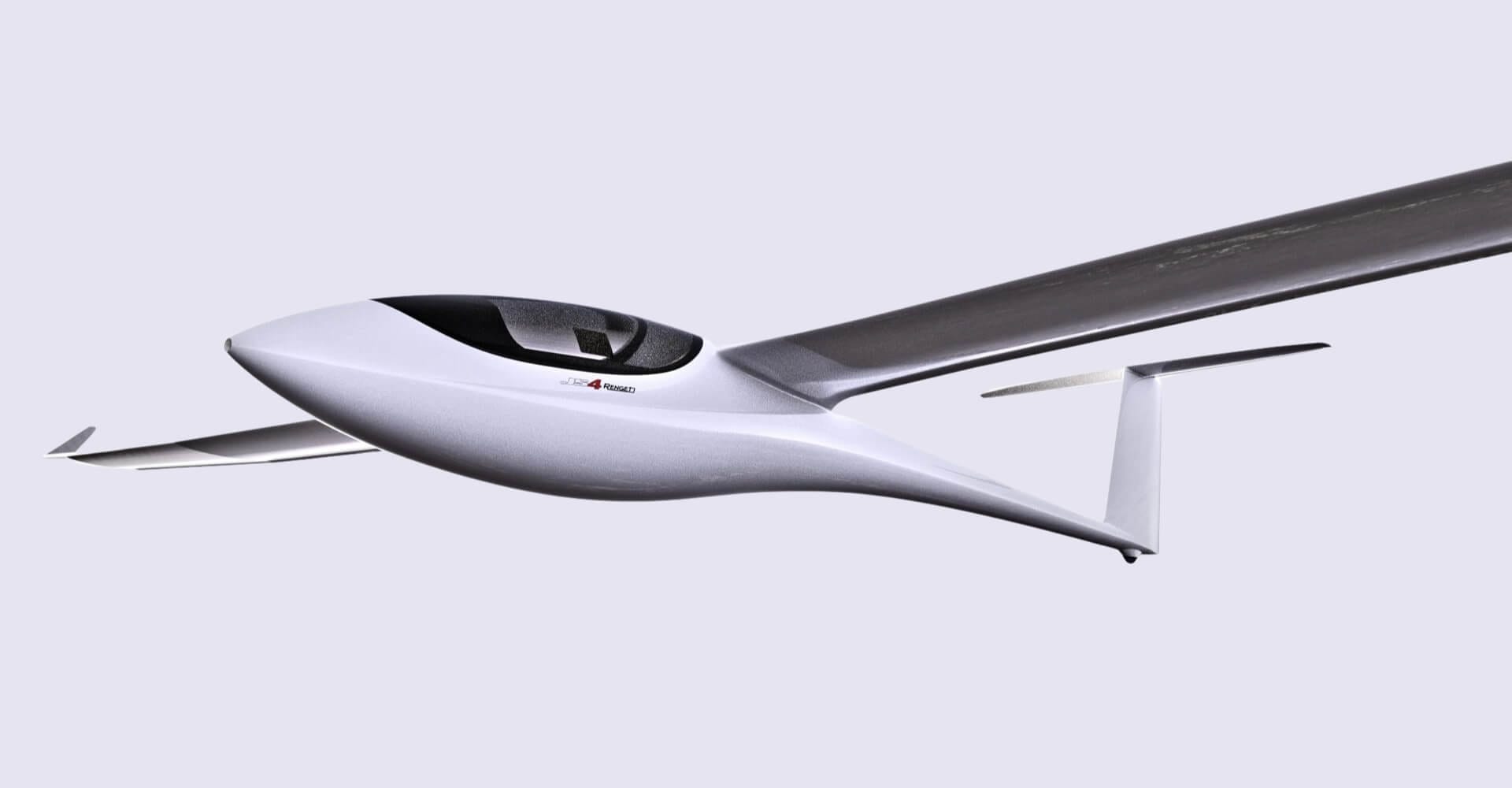
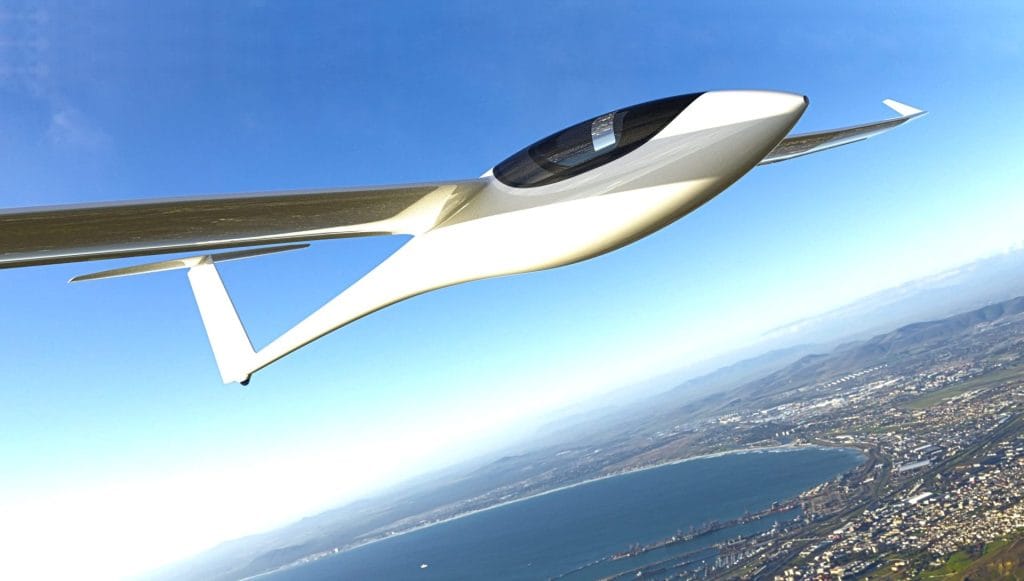
The JS4 Rengeti is the most modern standard class single seat sailplane available.
Pilots can choose the JS4 as a pure glider or equip it with the MD-TJ 42 Jet Sustainer System.
The standard options on the JS4 have been carefully selected, making it the best value-for-money new glider on the market.
Designed for all pilots — and built to make world champions.
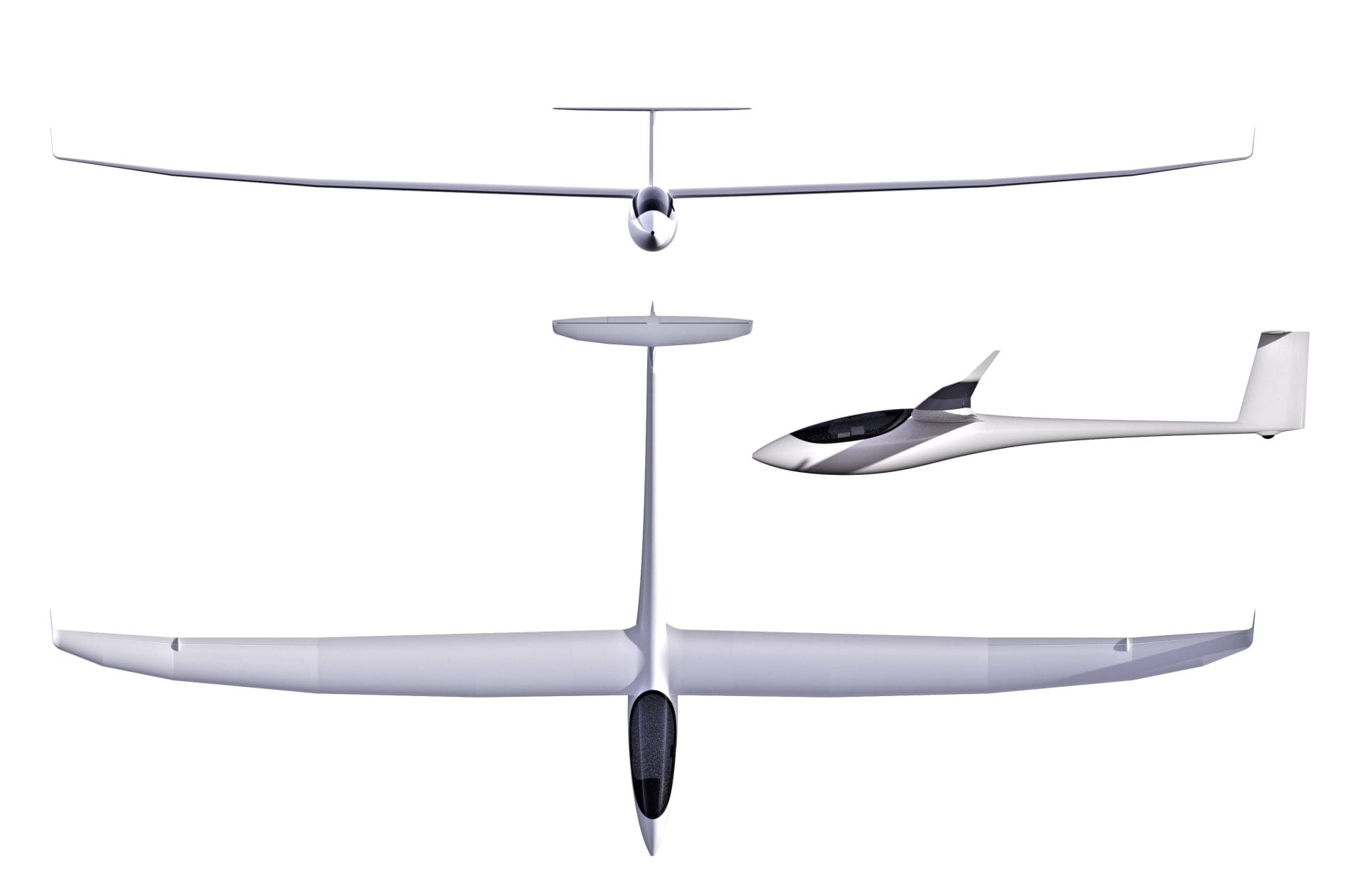
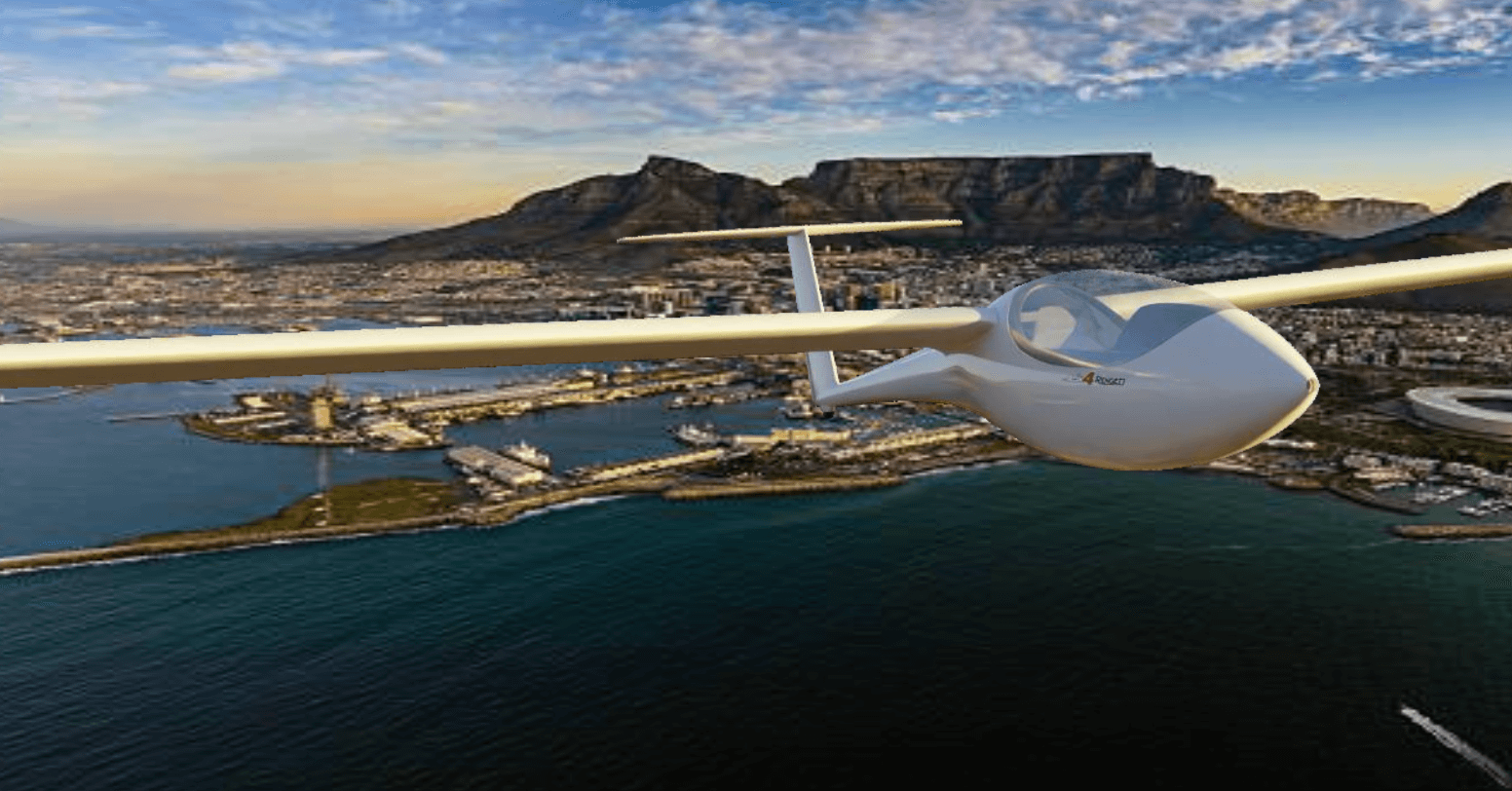
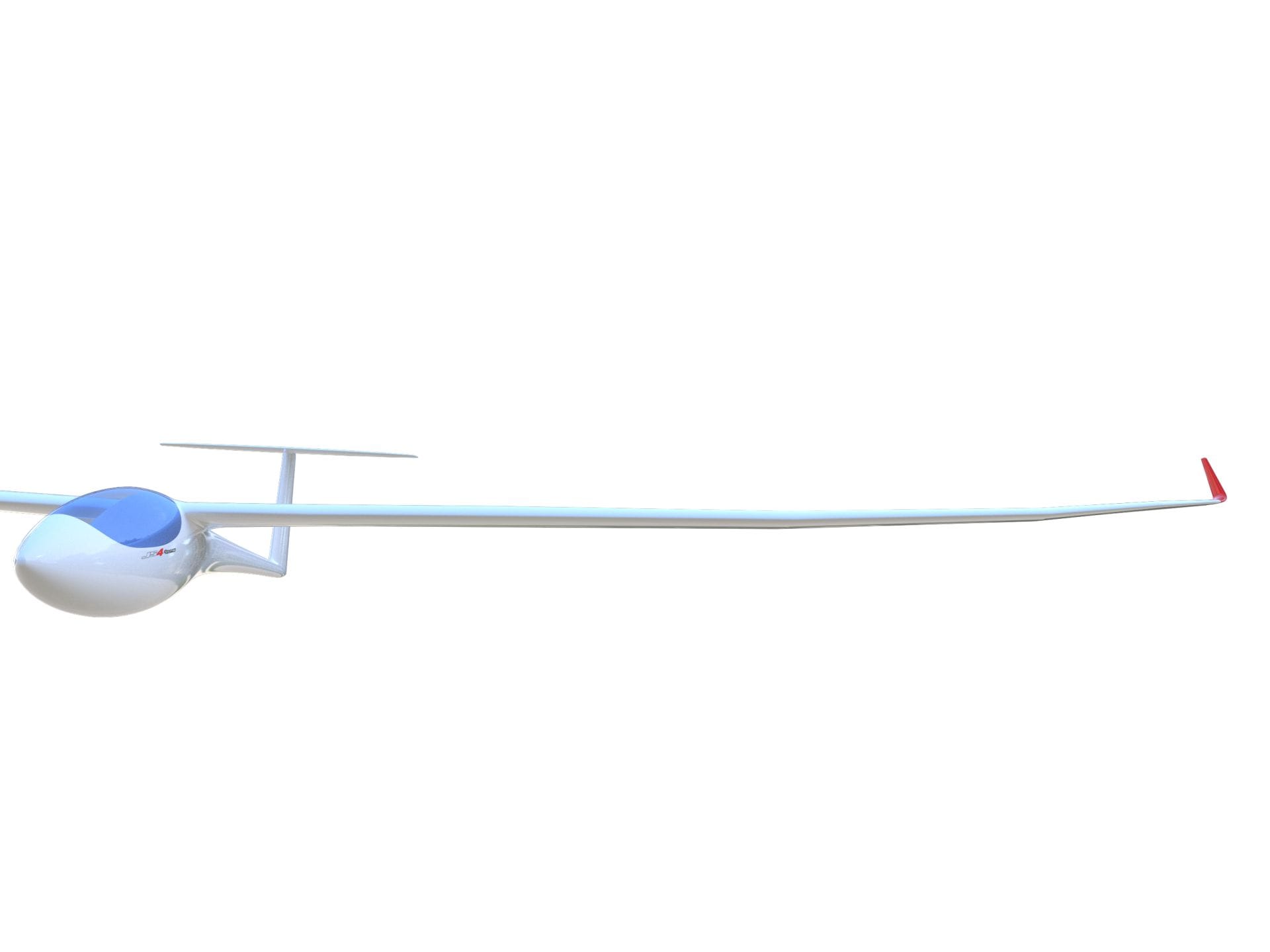
The JS4 Rengeti is designed to set a new benchmark in performance, featuring an optimized low-drag fuselage, a high-wing configuration for improved climb performance, and newly developed wing airfoils paired with a 5th-generation winglet design.
The fuselage shares similarities with that of the JS3, offering exceptionally low drag across a wide range of speeds and angles of attack. Despite its compact form, the fuselage was designed using advanced software tools to ensure comfort—even for larger pilots.
- Control surface gaps sealed with the Teflon/Mylar system.
- Cockpit airflow controlled with an air extractor.
- Integrated bug wiper garages.
- Total energy and Pitot-static probes by Airsense fitted to the extremities of the tailplane.
- Integrated water ballast tanks in main wings – 160 l.
- Expendable tail ballast tank – 5.8 l.
- Non-expendable tail ballast tank – 8.9 l.
- JS bug wipers operated by the On-Track programmable automatic winding system.
Flying the JS4 delivers a reassuring sense of safety paired with highly desirable flight characteristics.
The cockpit—carried over from the JS3—offers exceptional forward visibility in flight. It is specifically designed to ensure that 12 o’clock traffic remains clearly visible, even when slightly below the horizon.
A high maximum rough airspeed allows you to cruise safely and legally on strong-weather days. In the event that airbrakes must be deployed at VNE, a unique damper system controls the extension rate, reducing stress on the wings and preventing sudden jolts—protecting both the airframe and the pilot.
Our safety cockpit, constructed from carbon and aramid fibre with integrated crumple zones, is engineered to withstand impact forces up to 9Gs. This robust design significantly reduces the risk of serious injury in the unlikely event of an accident.
Max Speed VNE | 280 km/h | 151 kts |
Max Rough Air Speed VA | 208 km/h | 112 kts |
Max Aerotow Speed VT | 180 km/h | 97 kts |
Max Decent Rate MAUW | > 50 m/s | 9843 ft/min |
Cockpit Crash Resistance | 9G | 9G |
- Automatic controls, including the water system.
- FlarmTM collision-avoidance antenna in fin.
- Limit switches for landing gear & airbrakes.
- Water dump sensor.
- Hydraulic disc brake activated by a dedicated brake lever on control stick.
- Powerful airbrakes, lockable in different settings.
- DynafoamTM energy-absorbing seat cushion.
- MH AL-248 O2 cylinder holder with quick release.
- Dolba transponder antenna in the vertical fin.
- Flarm™ collision-avoidance antenna in front of vertical fin for maximum view angle and range.
Performance meets comfort—accessible to pilots of all sizes.
The JS4 combines a low-drag fuselage with the impressive ability to comfortably accommodate even our tallest pilots. But this glider isn’t just built to win contests—it’s designed to deliver an exceptional flying experience.
With superb handling and a light, responsive feel, the JS4 offers a unique connection to the air. It’s stable in thermals and remarkably light on the controls, making it a joy to fly. Like the JS1, the JS4 can even be thermalled hands-off, maintaining both bank and speed with ease. Control forces are finely tuned to be extremely light, with a smooth and gentle positive force/displacement curve—offering pilots an intuitive and refined flight experience.
Low-time pilots quickly feel at home in the JS4 and can perform exceptionally well with minimal time in the cockpit. Even at speeds up to 200 km/h, the airbrakes and landing gear can be easily operated and locked—ideal for pilots with less arm strength or smaller builds.
Comfort Features | ||
Max Cockpit Weight | 115 kg | 254 lbs |
Maximum Size Pilot | 1.95 m | 6 ft 8″ |
Airbrake Locking Forces | ∼ 15 daN | ∼ 15 daN |
Cockpit Shoulder Width | 525 mm | 20.67 inch |
Landing Gear Retracting Forces | ∼ 14 daN | ∼ 14 daN |
Inner Wing Panel Weights | < 65 kg | < 143 lbs |
- In-flight electrically adjustable rudder pedals.
- Adjustable seatback with headrest.
- Canopy side window with air scoop.
- Green tinted canopy for increased UV protection.
- Forward opening canopy for comfort.
- Cockpit side vent with ventilation control.
- Leather cockpit interior upholstery with storage pockets.
- Tool bag including lubrication tube and rigging tools.
- Canopy cover.
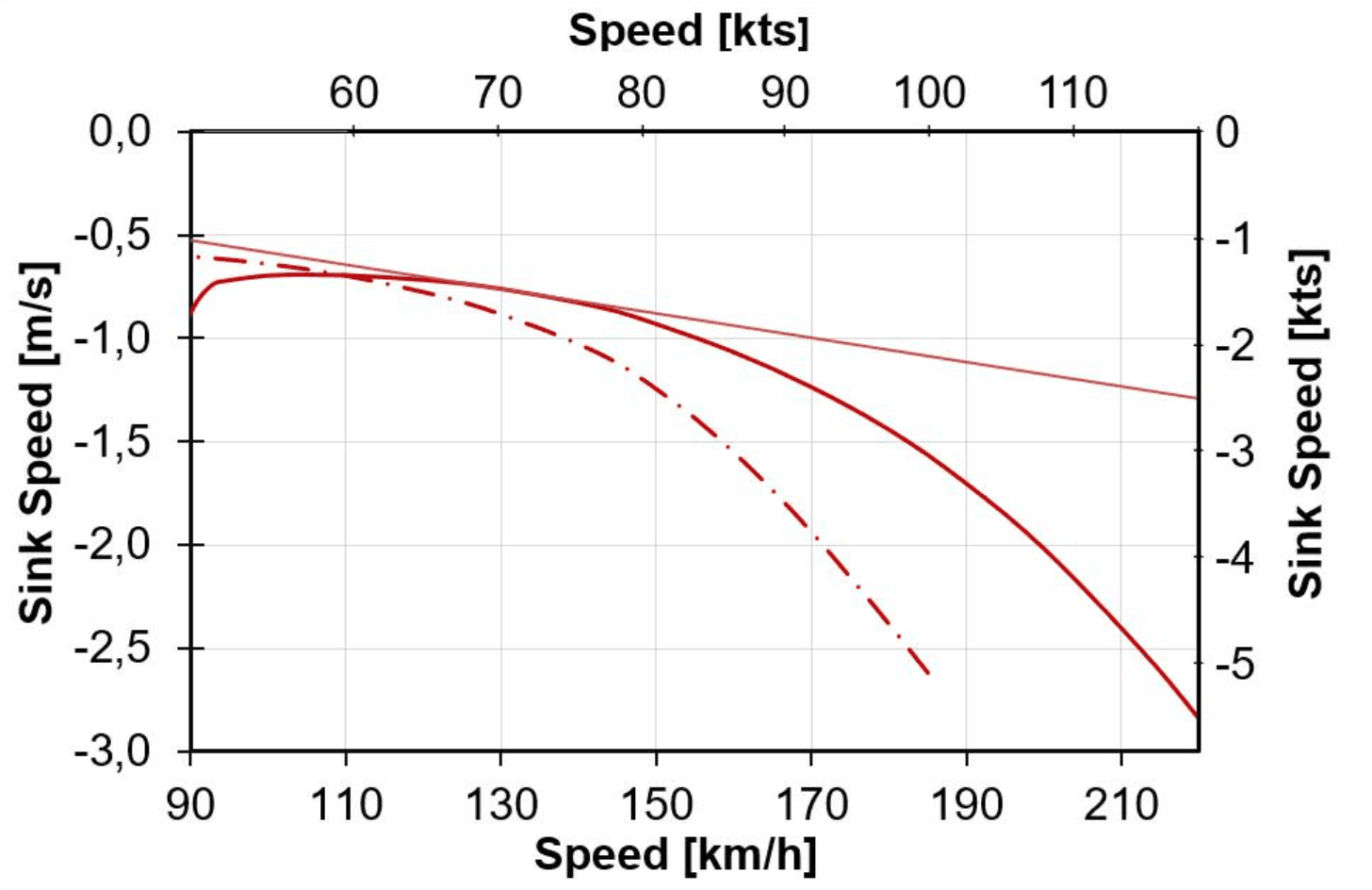
The standard class glider has been neglected by the manufactures for nearly 20 years, but not anymore. Wing optimization was accomplished by incorporating a simple lifting-line code with an Xfoil add-on to accurately predict the sailplane performance polar.
Thermaling performance was calculated with different thermal models incorporated into the numerical performance model. A simple Quast weather model for initial optimization was included in order to maximize average cross-country speeds. A particle swarm optimization (PSO) algorithm was applied to change airfoil geometries and the wing planform shape in order to maximize the cross-country average speeds.
All design iterations which showed high cross-country speeds on the Quast weather model were selected and verified with another cross-country simulator using real flight data compiled from actual competition flights.
This model could then calculate the average cross-country speeds for that configuration. To our surprise, the airfoil type giving the best results was quite different to the airfoil which usually would have been chosen based on performance polar only. As a result, a new wing was designed having improved climb and high-speed performance, with mid-range speed performance slightly better than today’s standard.
Jet Sustainer System
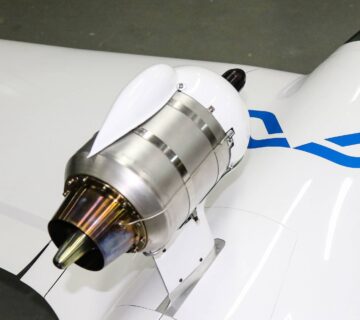
The MD TJ-42 Jet Sustainer System is the perfect match for JS gliders. Its performance and seamless integration ensure a smooth, effortless experience for the pilot.
Operation is as simple as it gets—just one switch and a throttle dial. There’s no increase in workload and no noticeable performance loss with the jet extended. Reliable, efficient, and remarkably easy to use.
The JS4 is an affordable, lightweight, standard-class sailplane, designed for pilots seeking simplicity, efficiency, and performance. It will feature limited options, a single 15 m wingspan, and a JET sustainer for in-flight range extension and safety, without self-launch capability.
No. The JS4 relies on conventional aerotow or winch launch, with the JET sustainer providing in-flight climb support and safety.
The JS4 will be certified under EASA CS-22
The JS4 comes only with a JET sustainer. No RES (electric) or combustion-powered self-launch options are planned for this model.
The JS4 has a single 15 m wingspan, optimized for standard-class performance, lightweight construction, and easy handling.
The information and specifications presented on this website are provided for general guidance only and are subject to change without prior notice. While due care has been exercised in compiling this material, Jonker Sailplanes accepts no responsibility or liability for any errors, omissions, or inaccuracies. All performance data, masses, and figures are theoretical estimates and may vary in practice. Specifications and equipment may change without prior notification.
