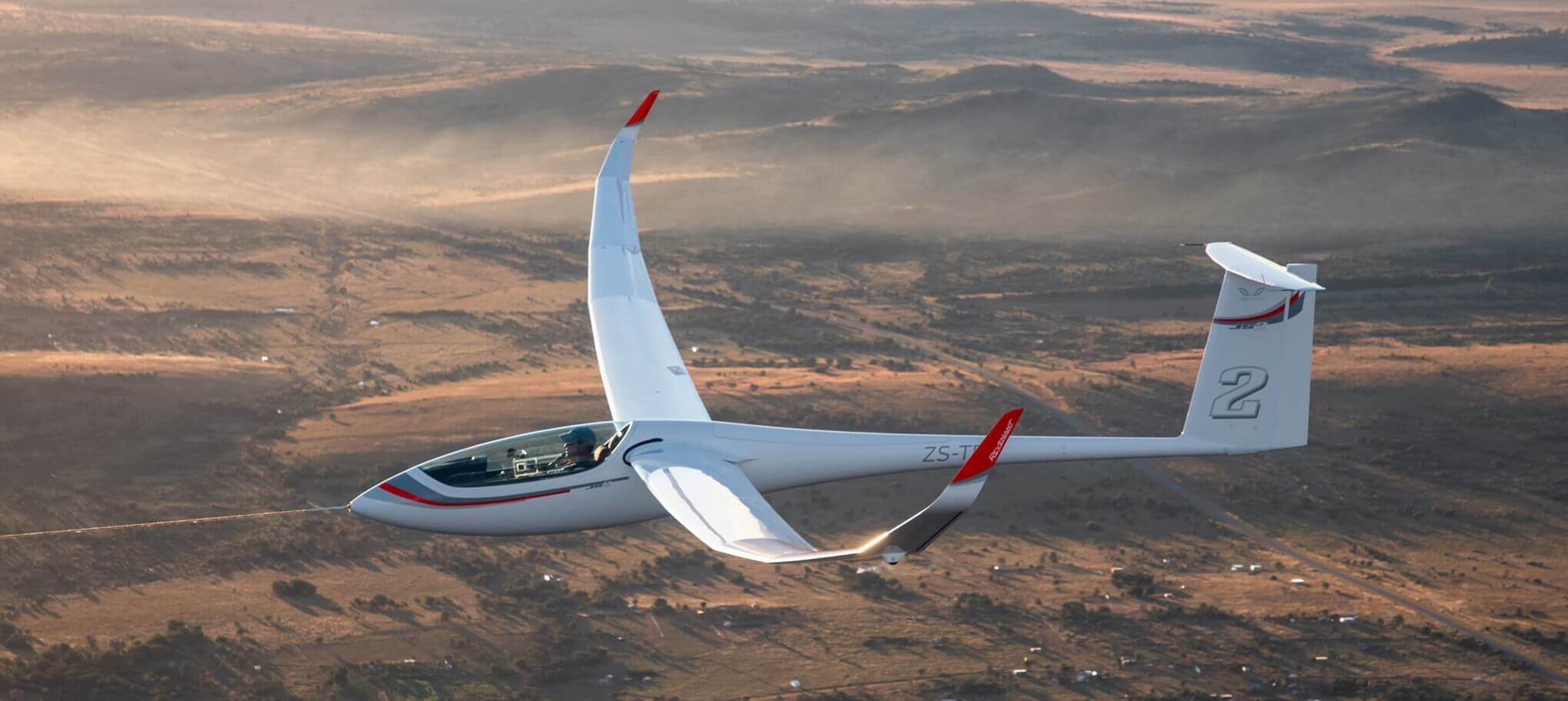
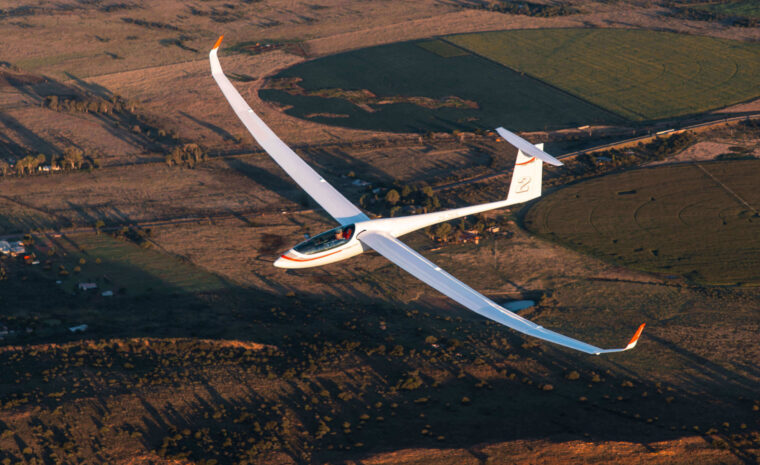
The JS2 Revenant, a high-performance 18m / 21m flapped self-launch sailplane, fully-equipped even in its standard configuration.
With the optional SOLO 2625-02i NEO Silent self-launch propulsion system, the JS2 offers powerful independence and reliability.
The JS2 is designed for the “everyday” pilot, built on an airframe with a proven pedigree at the highest levels of competition. The JS2 combines exceptional performance with effortless usability.
Featuring innovations that simplify flight operations, ground handling, and maintenance, it delivers the perfect balance of power, comfort, and convenience — truly a pilot’s dream.
Wingspan | 18m | 59ft |
Wing Area | 11.21 m² | 120.70 ft² |
Aspect Ratio | 28.90 | 28.90 |
Maximum Weight | 630 kg | 1389 lbs |
Empty Weight (without fuel)* | 428 kg | 944 lbs |
Empty Weight (without engine)* | 363 kg | 800 lbs |
Wingspan | 21m | 69ft |
Wing Area | 12.39m² | 133.40 ft² |
Aspect Ratio | 35.90 | 35.90 |
Maximum Weight | 700 kg | 1543 lbs |
Empty Weight (without fuel) | 450 kg | 991 lbs |
Empty Weight (without engine) | 384 kg | 847 lbs |
* Calculated weight, depending on aircraft configuration and options.
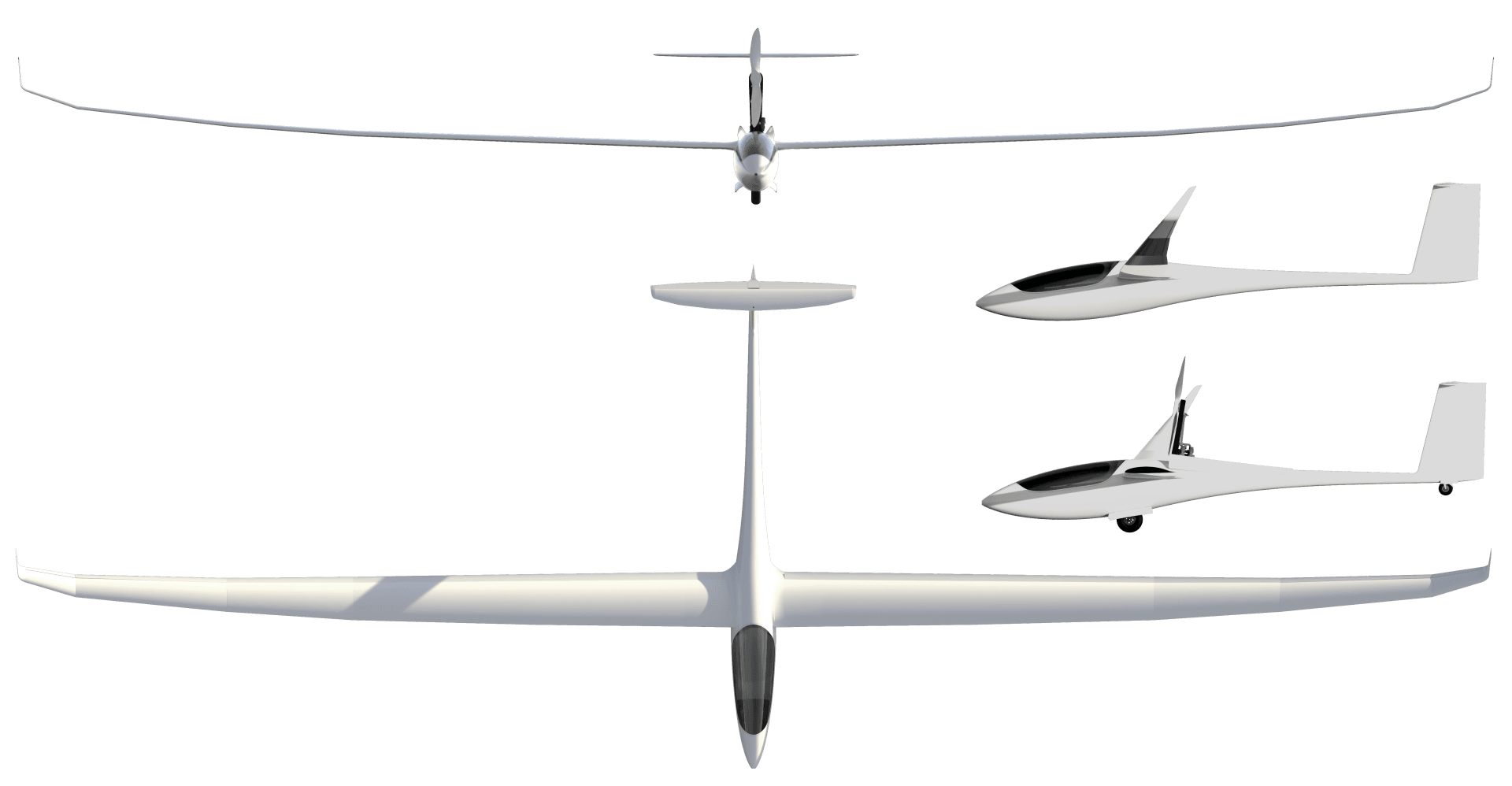
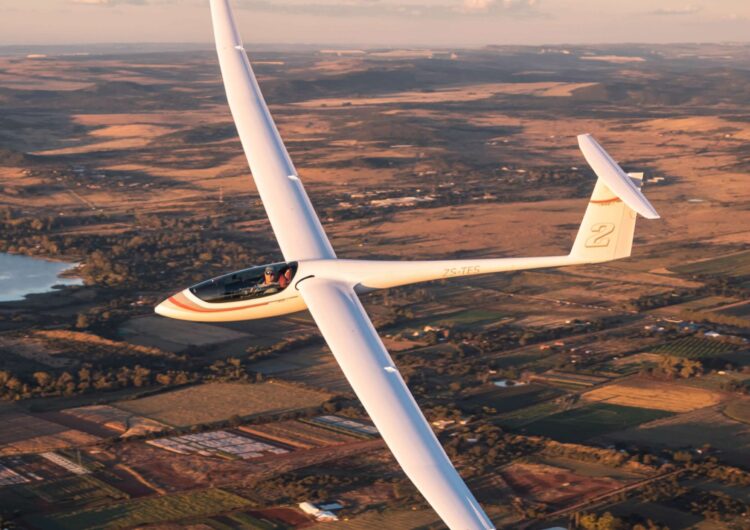
Designed with the same proven high performance airfoil sections as the JS1 wings, combined with a new optimized fuselage.
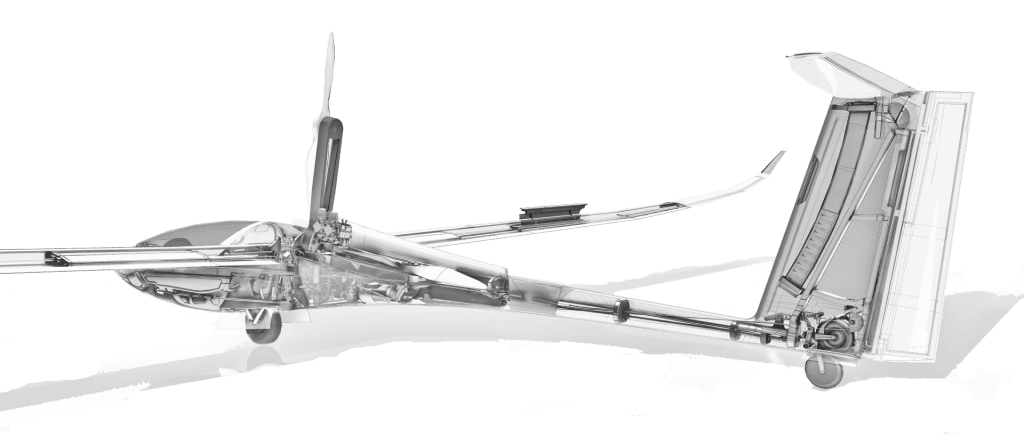
Jonker Sailplanes’ unwavering commitment to aerodynamic efficiency and drag reduction is once again evident in the development of a completely new fuselage. This includes a retractable and steerable tailwheel, enhancing ground maneuverability—an essential feature for a self-launching sailplane.
In its 21-meter configuration, the JS2 becomes a serious contender in the Open Class.
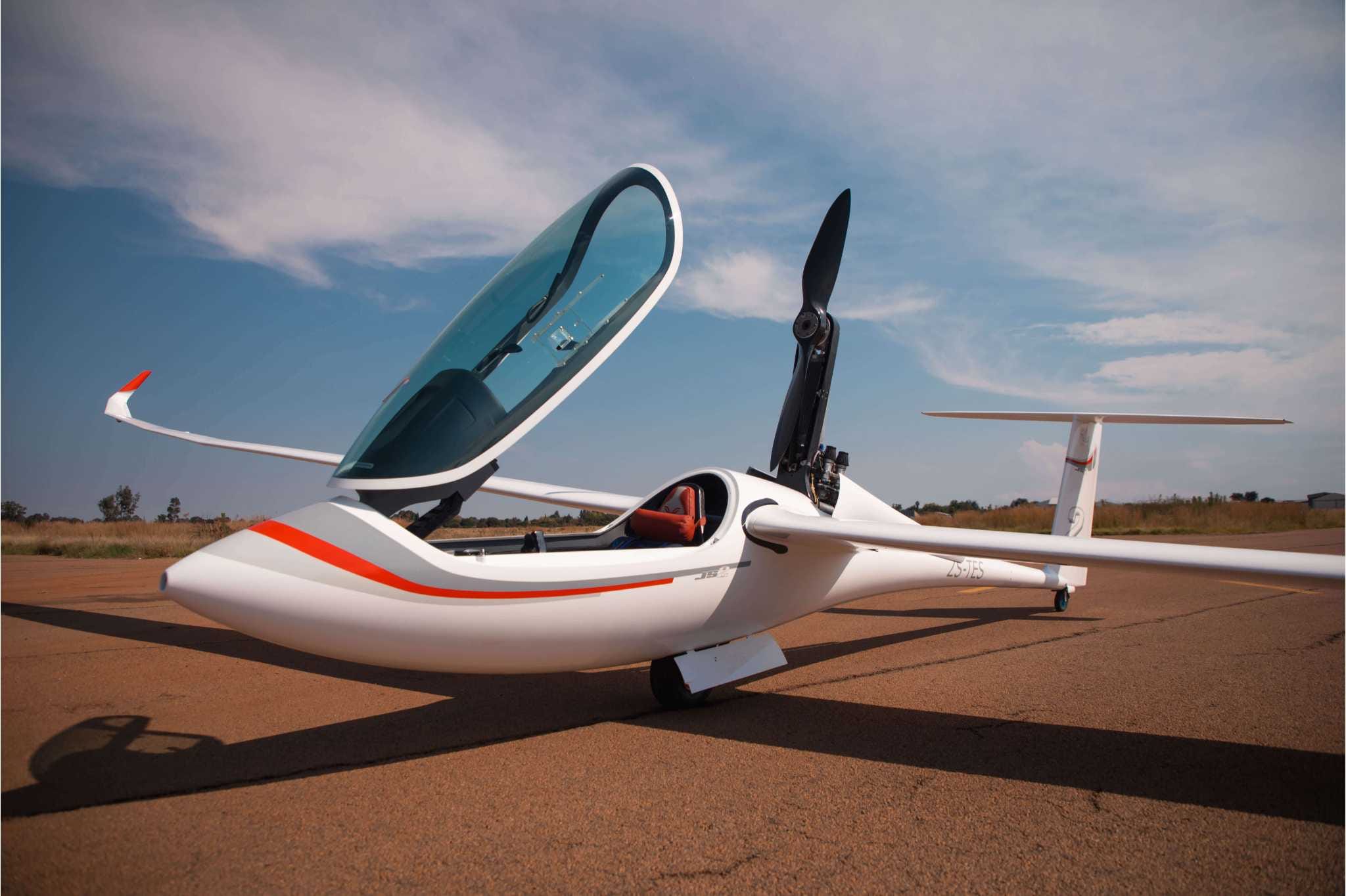
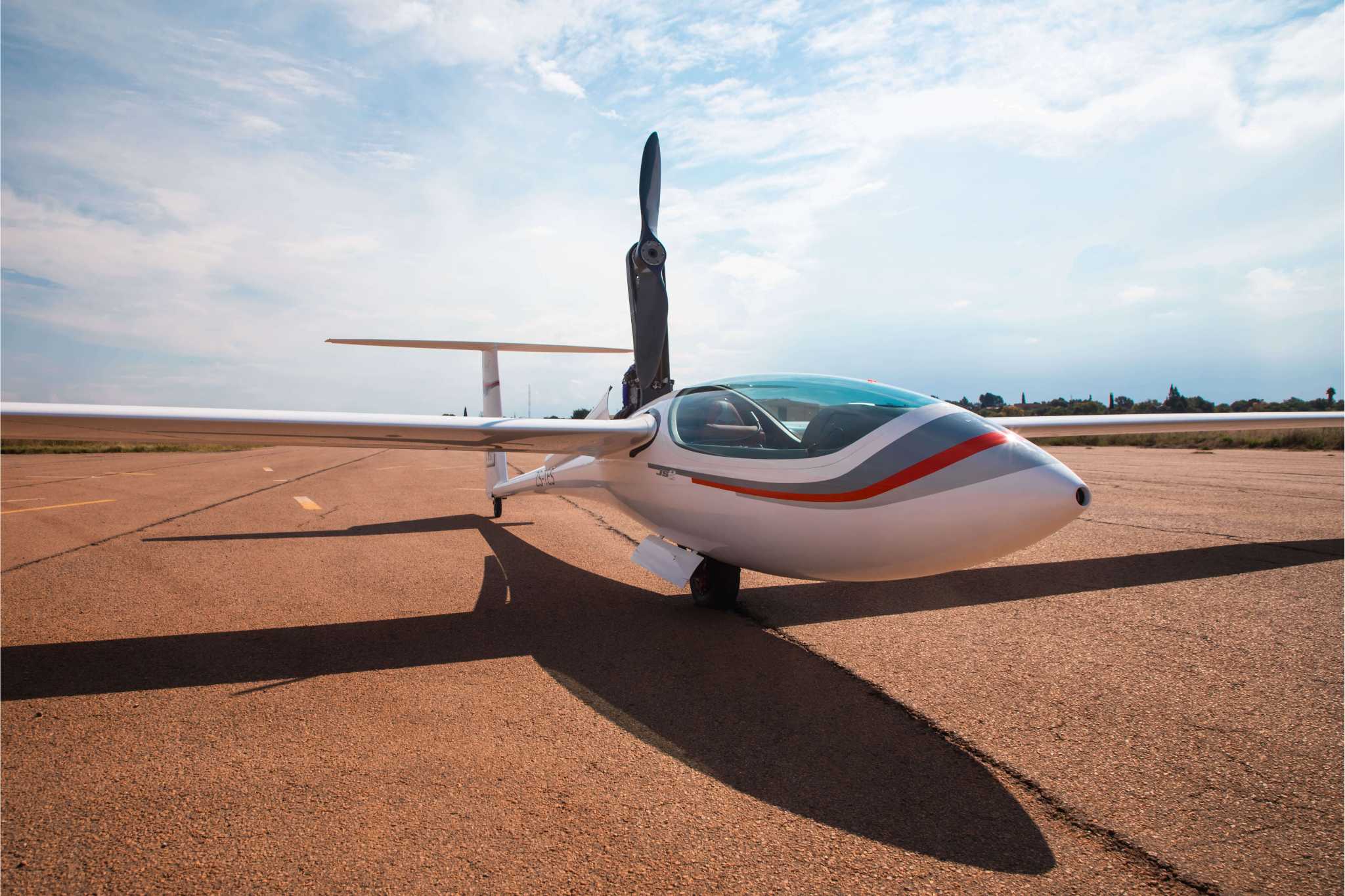
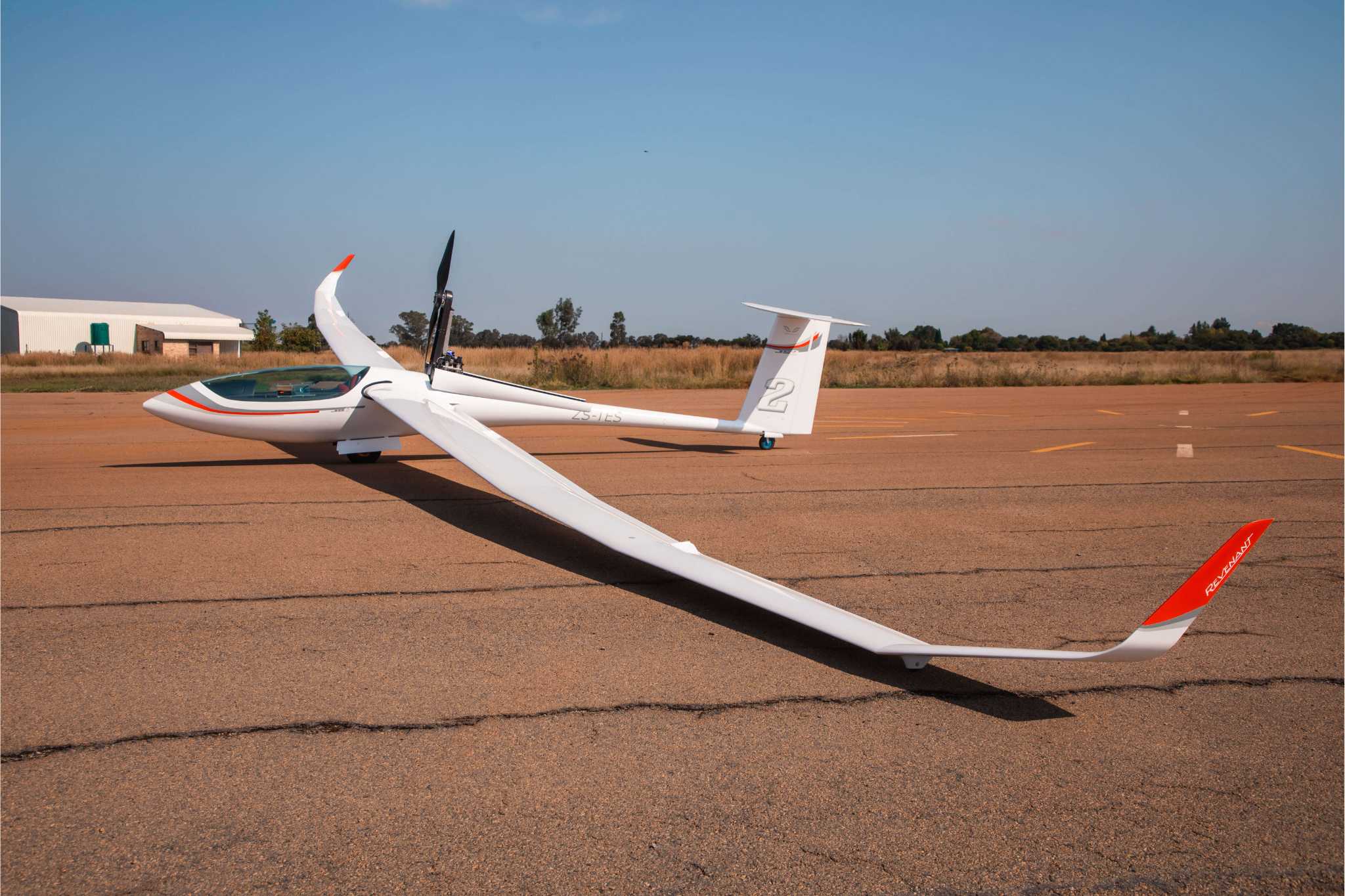
- Control surface gaps sealed with Teflon/Mylar system.
- Boundary layer control through blowholes or zig-zag tape.
- Cockpit airflow is regulated with an integrated air extractor.
- Integrated bug wiper garages.
- Total energy and Pitot-static probes by Airsense, mounted at the tailplane extremities.
- Integrated water ballast tanks in main wings – 178 l (47 US gal).
- JS bug wipers operated by the On-Track programmable automatic winding system.
- Retractable/steerable tailwheel.
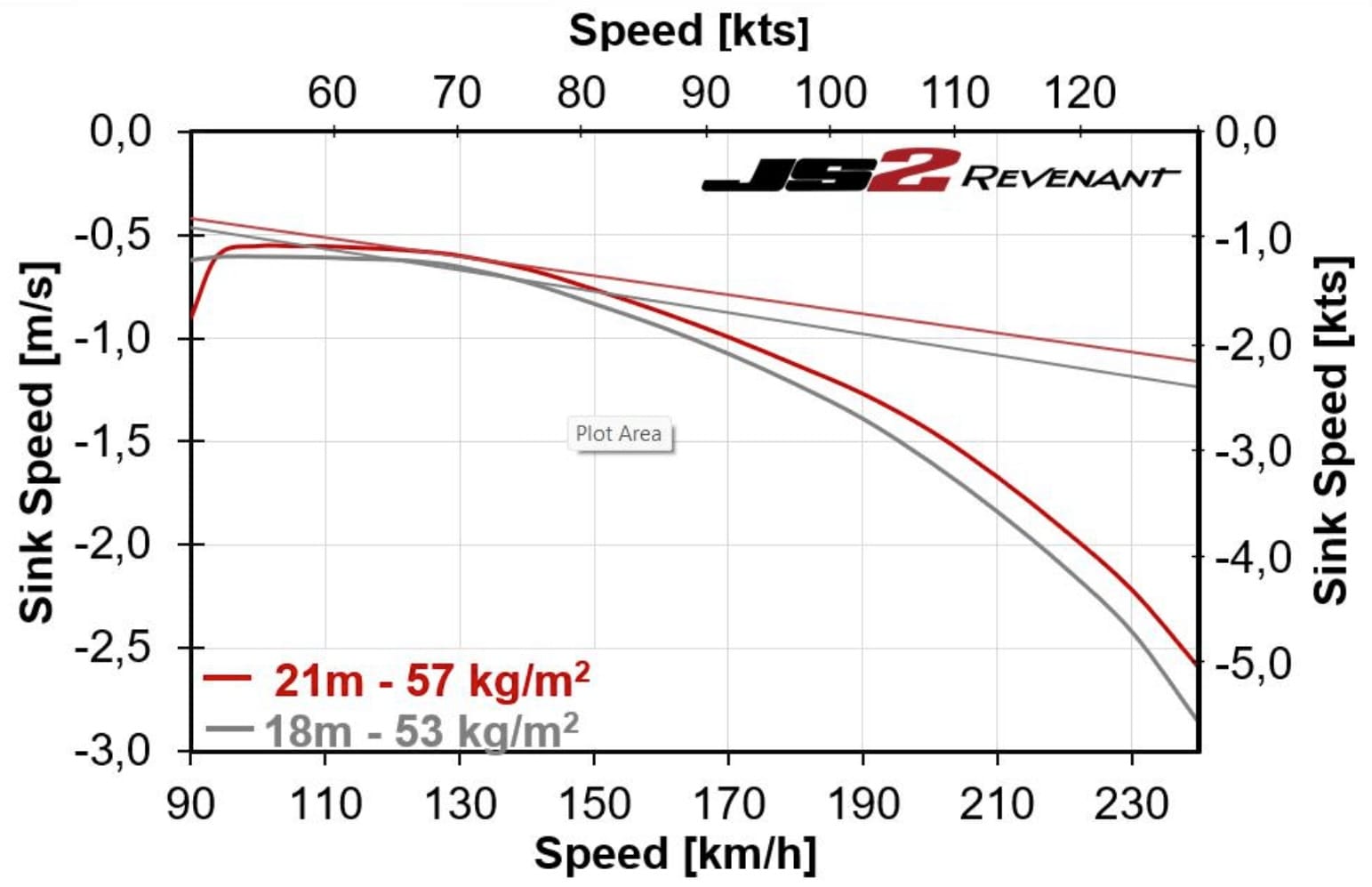
Wingspan | 18 m | 59 ft |
Best L/D | 53:1 | 53:1 |
Minimum Sink | 0.5 m/s | 100 ft/min |
Sink Rate @ 200 km/h | 1.58 m/s | 311 ft/min |
Max Wing Loading | 56.2 kg/m² | 11.5 lbs/ft² |
Min Wing Loading (90kg pilot, full fuel) | 46.2 kg/m² | 9.5 lbs/ft² |
Water Ballast Capacity | 186 I | 49.5 US gal |
Wingspan | 21 m | 69 ft |
Best L/D | 60:1 | 60:1 |
Minimum Sink | 0.48 m/s | 95 ft/min |
Sink Rate @ 200 km/h | 1.44 m/s | 283 ft/min |
Max Wing Loading | 56.5 kg/m² | 12.0 lbs/ft² |
Min Wing loading (90kg pilot, full fuel) | 43.6 kg/m² | 8.9 lbs/ft² |
Water Ballast Capacity | 186 I | 49.5 US gal |
As with all of JS’s products, safety is non-negotiable and forms an integral part of the JS2’s design process. Through multiple iterations of the fuselage structure, the glider’s weight was reduced to the bare minimum while still meeting the minimum requirements of CS-22.
A standard fire warning system ensures that the pilot is immediately alerted in the event of a possible fire, allowing for prompt and appropriate action.
Max Speed VNE | 270 km/h | 146 kts |
Max Rough Air Speed VA | 193 km/h | 104 kts |
Max Aerotow Speed VT | 180 km/h | 97 kts |
Max Decent Rate MAUW | 50 m/s | 9842 ft/min |
Cockpit Crash Resistance | 9G | 9G |
- Automatically controls.
- Limit switches for landing gear & airbrakes.
- Water dump sensor.
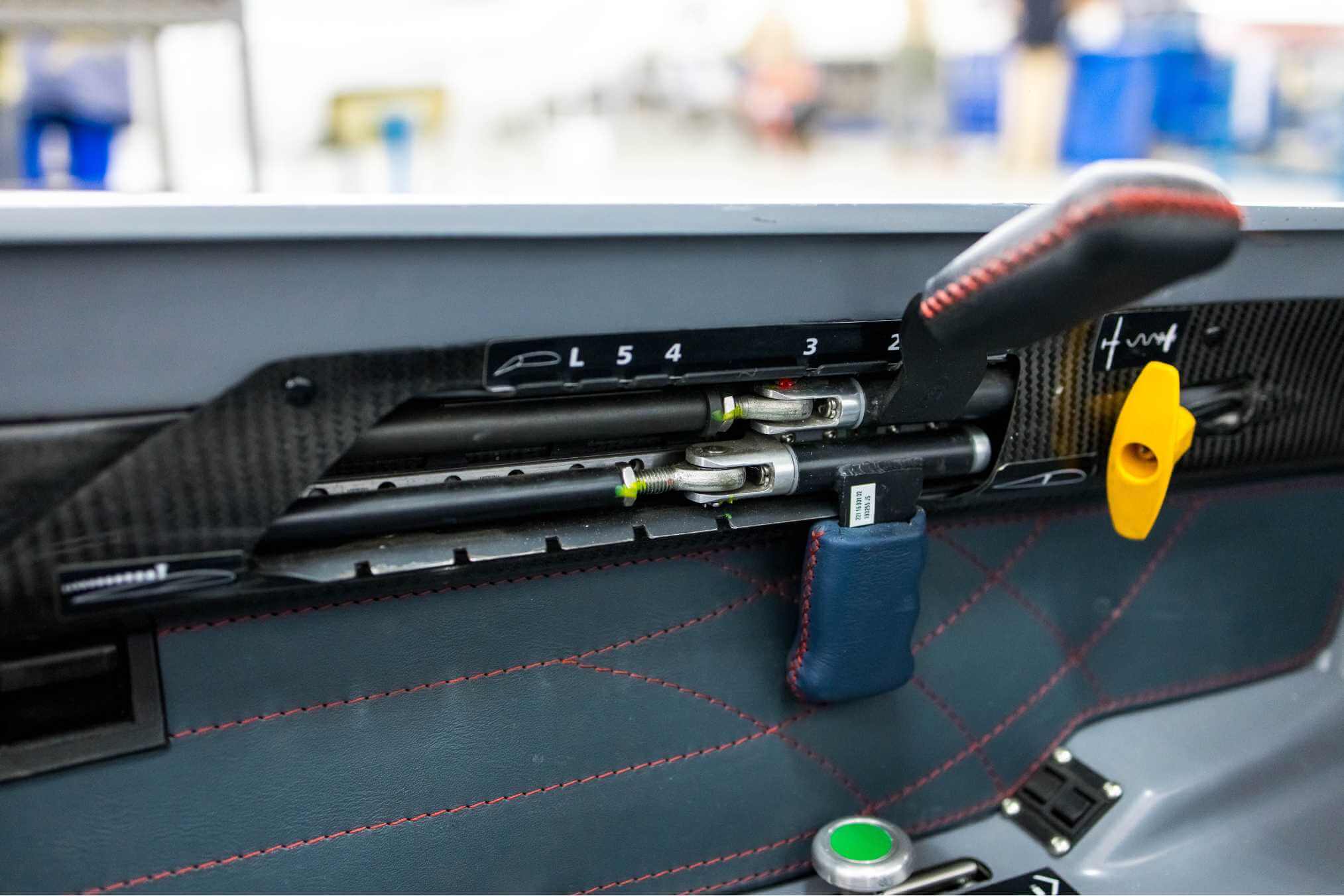
- Hydraulic disc brake activated by a dedicated brake lever on control stick.
- Powerful airbrakes, lockable in different settings.
- Dynafoam™ energy-absorbing seat cushion.
- MH AL-248 O2 cylinder holder with quick release.
- Fire warning system.
- Dolba transponder antenna in the vertical fin.
- Flarm™ collision-avoidance antenna in fin.
The cockpit features a layout similar to that of the JS3 — the largest performance glider cockpit in its class — and will include easily removable covers for maintenance.
Extensive time and effort have gone into designing a cockpit that meets the pilot’s spatial requirements without compromising performance.
Throughout the entire aircraft design phase, maintainability of the airframe received significant attention to ensure easy access to controls, the electrical system, and the engine system.
The following features have been redesigned from previous models to ensure the pilot has an even more comfortable flying experience:
In addition the canopy mechanism has been improved to accommodate hot and cold conditions. The design ensures that the canopy front lip always closes, improving the performance of the glider by allowing undisturbed flow of air over the canopy.
Larger areas for the handles to turn on ensure smoother operation. Cut-outs in frame improve serviceability of the internal components. Designing floating rear supports in the cockpit frame to allow for temperature differences on the ground but allowing for the canopy to return to the optimal position once cooled down in the air.
The fundamental improvements on the JS2 water system includes increase in torsional stiffness of the tubes between the outboard section and the inboard section and increased travel range for the outer tips allowing for faster dumping of ballast. This also reduces the required travel in the fuselage to activate the water system. The water system doesn’t function sequentially but independently from one another between the outer and inner panels.
The design allows for both the inboard dump valve as well as the outer dump valve to be pushed up independently when dumping of water from one of the tanks is required.
The instrument panel has been moved closer to the pilot to make reaching the instruments easier.
This change has made it possible to increase the area of the instrument panel slightly compared to the JS3. The amount of shade on the intrument panel has been increased by increasing the lip length of the coaming.
Changing the routing of the wiring from the side channel to below the binnacle allows easier access for maintenance and less tension on the wires routed to the binnacle. This method also allows for a dedicated pathway for venting.
The seatback adjustment design has been changed to allow the pilot adjustment while in flight the geometry of the attachment points have also been changed to ensure easier movement of the seatback in its lower attachment points by changing the attachment surfaces to parallel.
The rerouting of the electrical wiring has made it possible to incorporate a dedicated venting channel with the shortest route from the source of the air to the binnacle. The design intention is still to allow for the airflow to help with the cooling of the intruments while providing the pilot with demisting of the canopy in humid conditions. The demisting valve is operated manually in the same way as the JS3 (from the instrument panel with a push pull knob.)
Max Cockpit Weight | 115 kg | 254 lbs |
Maximum Size Pilot | 2.03 m | 6 ft 8″ |
Airbrake Locking Forces | ~ 15 daN | ~ 15 daN |
Cockpit Shoulder Width | 525 mm | 20.7 inch |
Landing Gear Retracting Forces | ~ 15 daN | ~ 15 daN |
Inner Wing Panel Weights | < 85 kg | < 185 lbs |
- In-flight electrically adjustable rudder pedals.
- Adjustable seatback with headrest.
- Canopy side window with air scoop.
- Green/grey tinted canopy for increased UV protection.
- Forward opening canopy for comfort.
- Cockpit side vent with ventilation control.
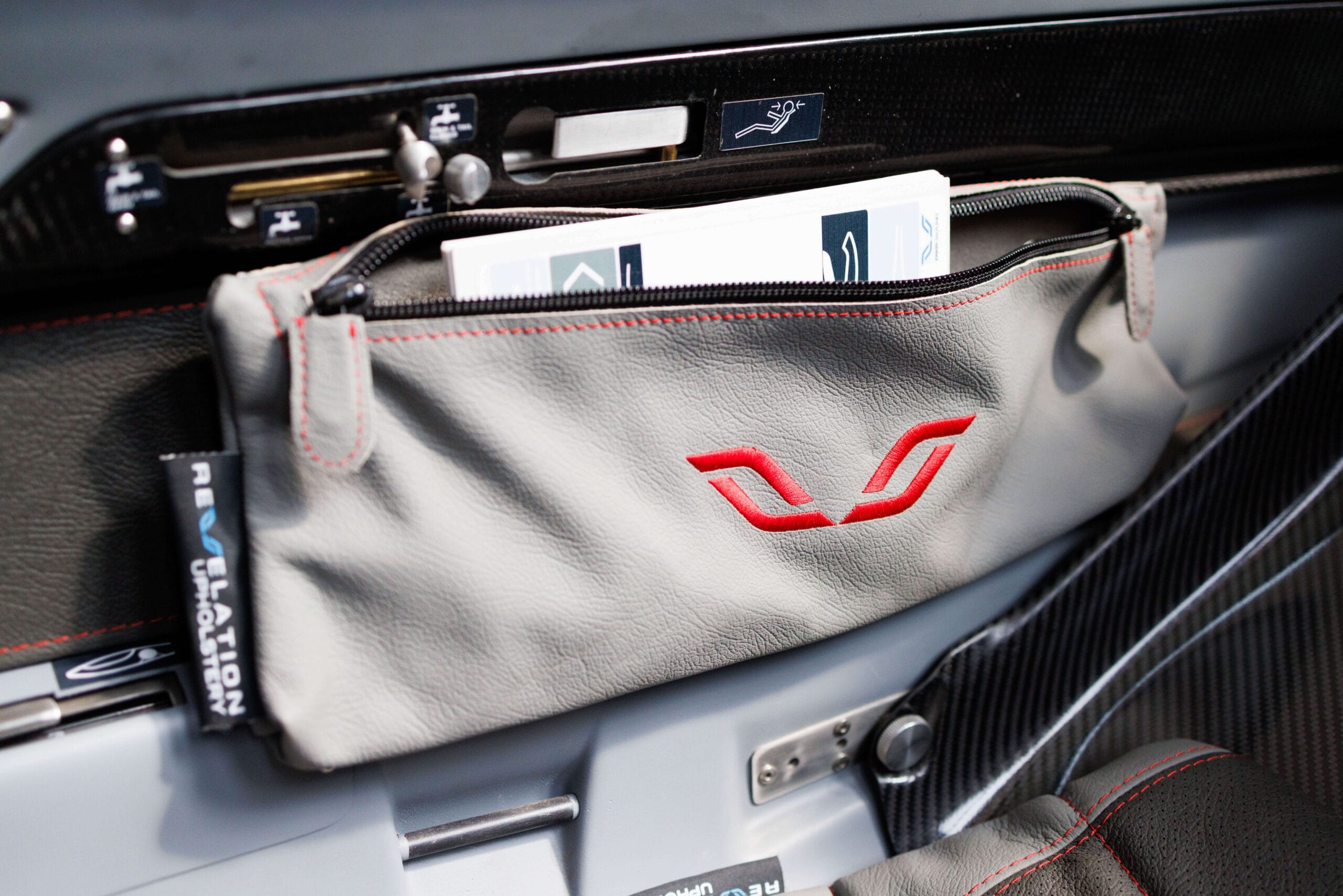
- Leather cockpit interior upholstery with storage pockets.
- Tool bag including lubrication tube and rigging tools.
- Canopy cover and tail dolly.
- Serviceable tail battery.
The development of the JS2 Revenant was never just about creating a self-launching version of the successful JS1 — it was about redefining what a high-performance self-launching sailplane could be.
What began as an idea to design a new fuselage large enough to house a SOLO 2625-02i NEO engine evolved into an entirely new aircraft. As the project progressed, Jonker Sailplanes itself evolved, growing in experience, technology, and ambition.
Development of the JS2 was briefly paused to focus on the design, certification, and production of the JS3, a process that provided invaluable insights and technological advancements. When work on the JS2 resumed, those lessons shaped a completely new generation of self-launching gliders.
Another delay in the program came with the introduction of the SOLO 2625-02i NEO Silent engine. JS invested extensive engineering time and testing to integrate and refine this new system, turning the original design into a highly reliable, smooth-running propulsion solution. This collaboration significantly improved overall engine performance, vibration reduction, and in-flight dependability, ensuring the JS2 meets the highest standards of safety and comfort.
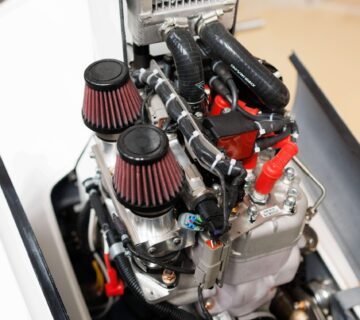
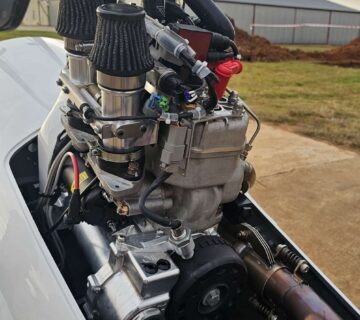
SOLO Fuel Injection Self Launcher System
The retractable pylon system features the SOLO® 2625-02i NEO Silent — a liquid-cooled, fuel-injected twin-cylinder engine delivering 50 kW (64 hp). Paired with an in-house designed propeller, the system provides excellent take-off and climb performance.
Its refined engineering ensures smooth operation with minimal vibration and exceptional reliability, delivering efficient power to bring you home — even over long distances.
The JS2 Revenant is a high-performance, versatile sailplane designed for both competitive and recreational pilots in 18m and / or 21m wingspan configuration. It combines Jonker’s signature aerodynamics with advanced composite construction and optional propulsion systems, offering outstanding handling, glide performance, and reliability.
The JS2 is certified under EASA CS-22 and applicable national airworthiness regulations. For RES or combustion variants, certification is ensured via M&D Flugzeugbau, our EASA-approved Design Organisation and Type Certificate holder. All EASA-certified JS2 aircraft undergo final inspection and handover preparation in Europe.
Lead times vary depending on configuration and order volume. Please contact our sales team for current availability and estimated delivery schedules.
The JS2 Revenant is available with the SOLO 2625- 02i NEO Silent combustion engine. A balanced, 50-horsepower, two-stroke, twin-cylinder engine providing smooth, vibration reduced, reliable self-launch and powered flight.
The SOLO 2625 O2i NEO engine runs on standard automotive or aviation gasoline, designed for a smooth, vibration-free operation that extends service life and reliability.
The JS2 Revenant has inner wing panels weighing approximately 85 kg each. For safety and convenience, a one-man rigging system is recommended to assist with assembly and rigging.
The information and specifications presented on this website are provided for general guidance only and are subject to change without prior notice. While due care has been exercised in compiling this material, Jonker Sailplanes accepts no responsibility or liability for any errors, omissions, or inaccuracies. All performance data, masses, and figures are theoretical estimates and may vary in practice. Specifications and equipment may change without prior notification.
