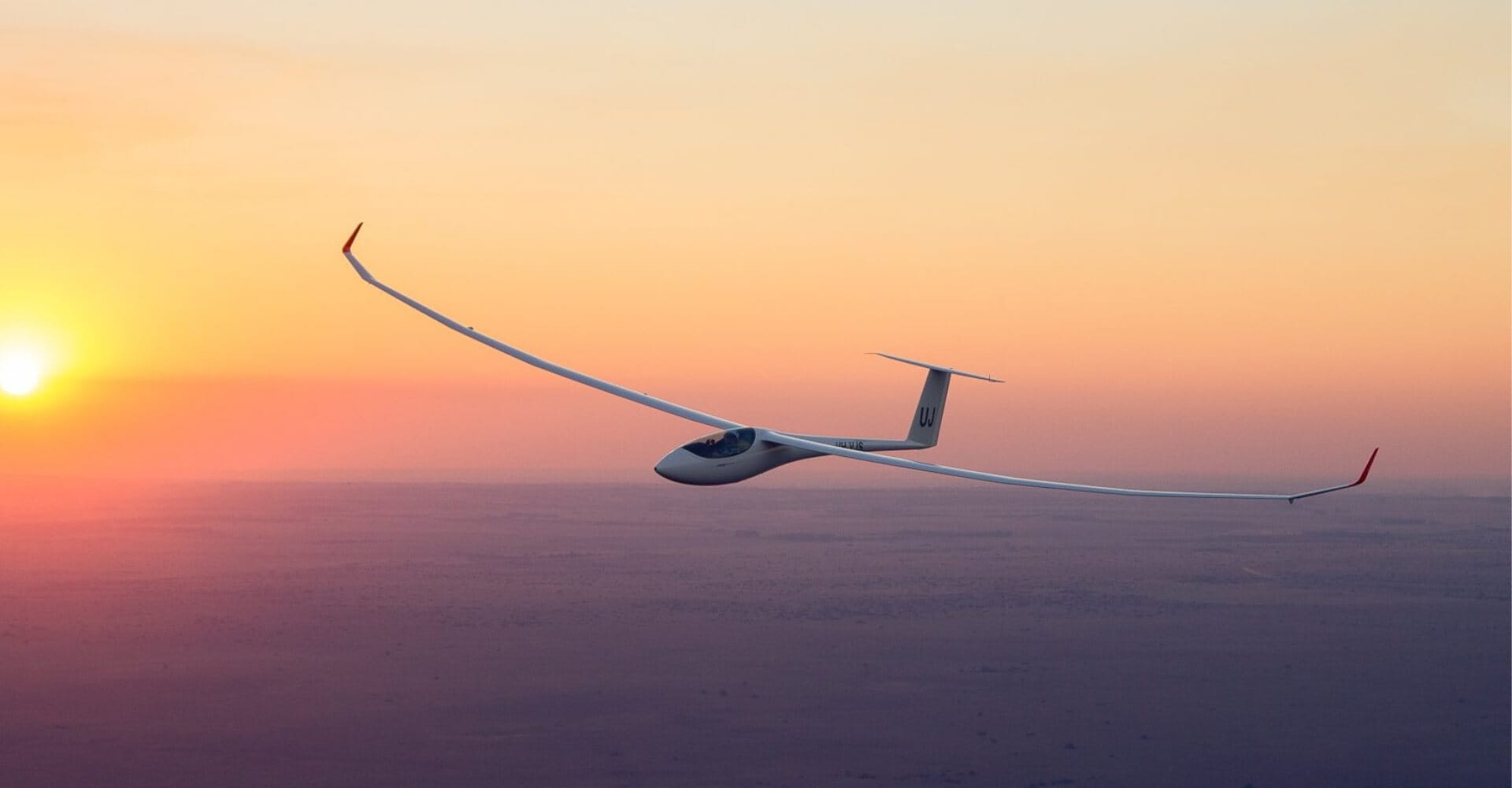
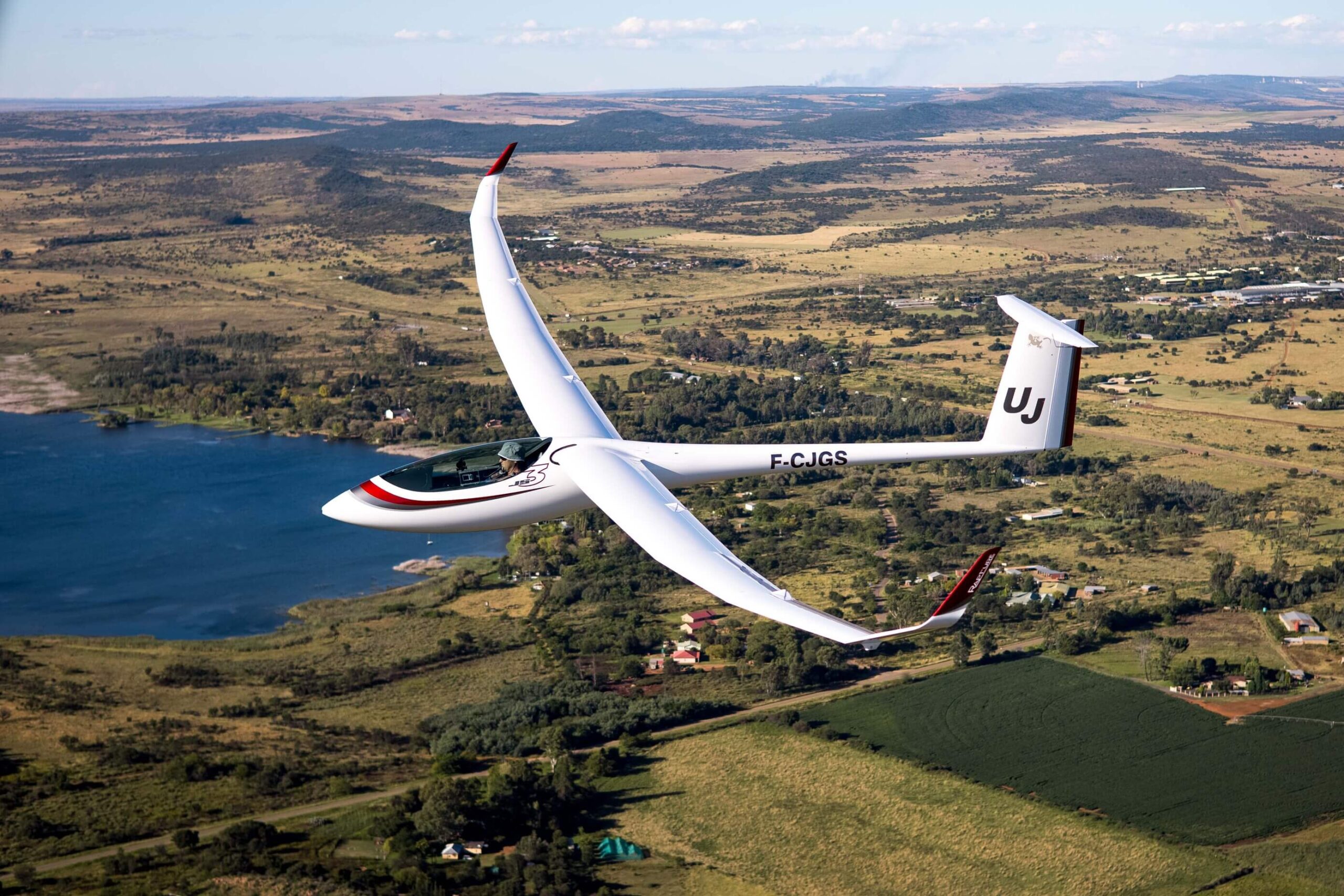
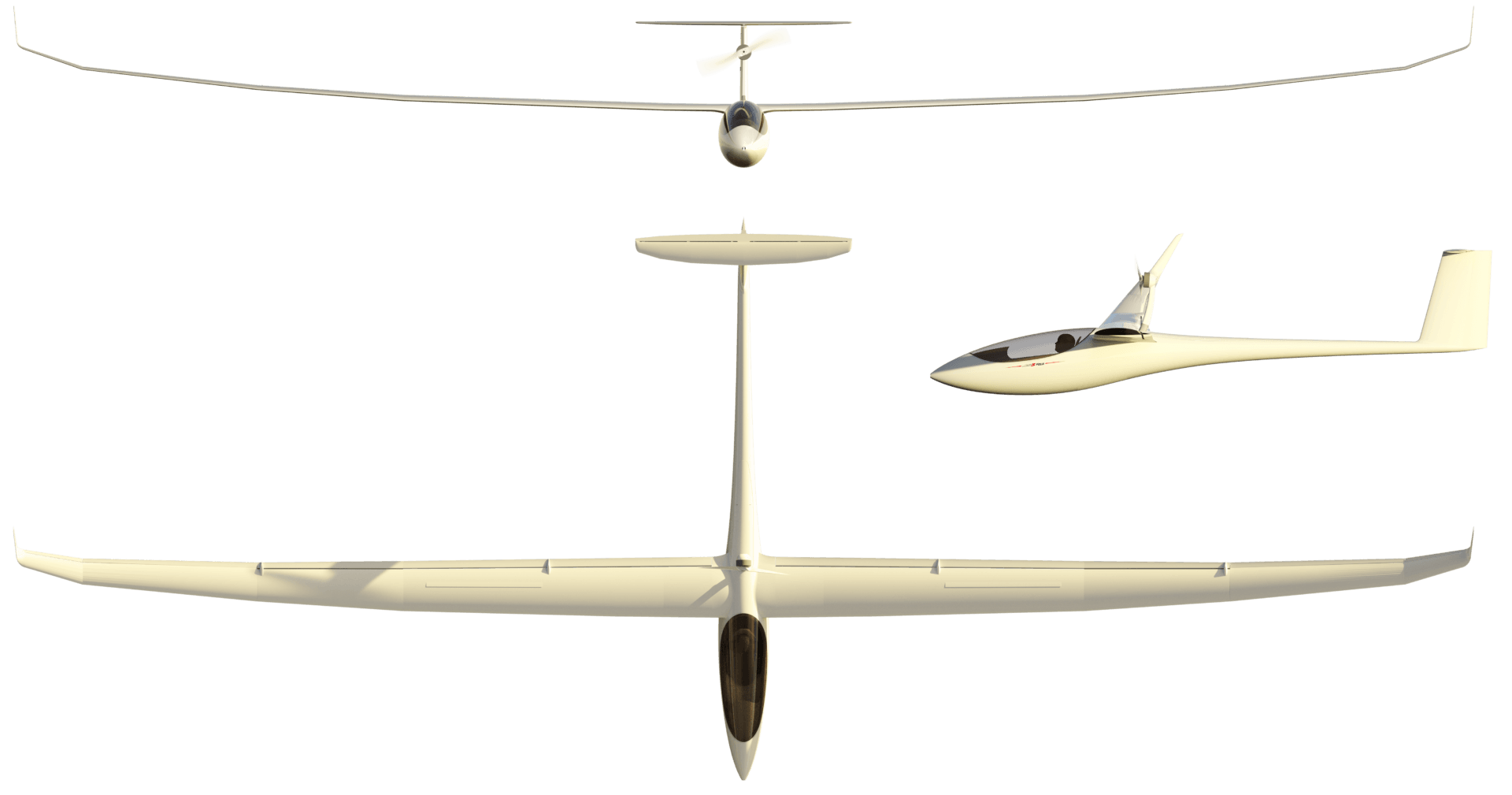
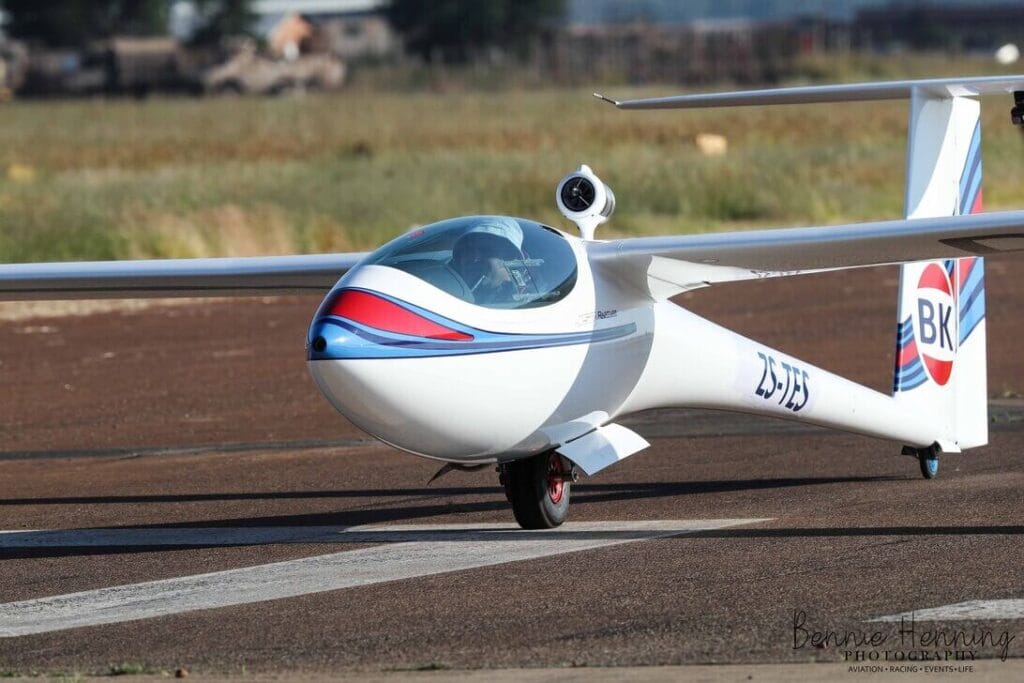
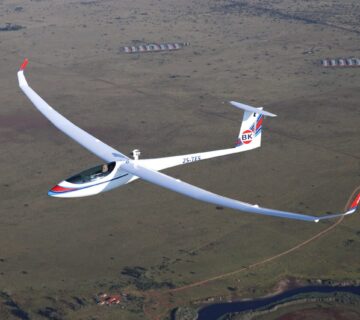
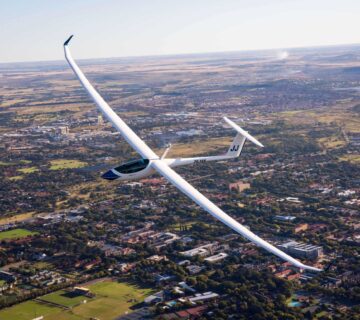
The JS3 Rapture is a high performance FAI 15m / 18m Class sailplane, fully-equipped in its standard configuration.
Optional propulsion systems include the JET Sustainer (MD-TJ42) and the Self-Launching RES (Retractable Electric System) which can either be used as sustainer or self-launcher.
Optional 15m outboard wingtips transform the JS3 into a fast, agile 15m glider, the preferred option in the 15m Class.
Standard features differentiate the JS3 in its class – designed for pilots with an appetite for the ultimate performance. Proven to be the best in performance, safety, handling and comfort.
Wingspan | 18 m | 15 m |
Wing Area | 9.95 m² (107.10 ft²) | 8.75 m² (94.18 ft²) |
Aspect Ratio | 32.8 | 25.4 |
Maximum Weight | 600 kg (1323 lbs) | 525 kg (1157 lbs) |
Empty Weight* | 325 kg (716 lbs) | 315 kg (694 lbs) |
* With JET engine, no fuel. Depending on aircraft configuration and options.
Wingspan | 18m | 15m |
Wing Area | 9.95 m² (107.10 ft²) | 8.75 m² (94.18 ft²) |
Aspect Ratio | 32.80 | 25.40 |
Maximum Weight * | 600 kg (1323 lbs) | 525 kg (1175 lbs) |
Empty Weight ** | 330-350 kg (727-772 lbs) | 316-336 kg (697-741 lbs) |
* Limited to 575 kg with two RES batteries and self launch.
** With engine, no RES batteries (each 25 kg). Depending on aircraft configuration and options.
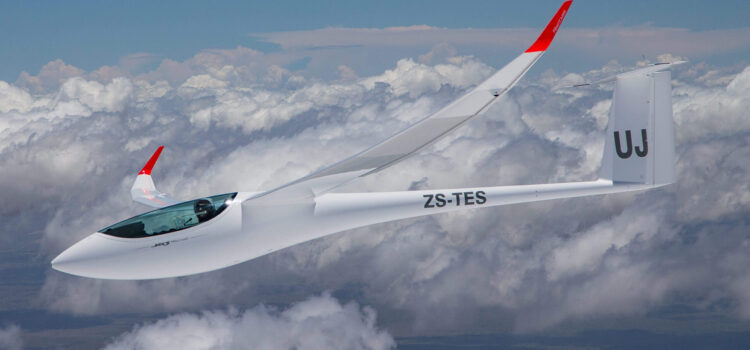
With more than 270 JS3s sold worldwide, the JS3 has already proven itself as a dominating force in the 18m Class — and it continues to set the benchmark for performance and innovation.
In its 15m configuration, the JS3 has demonstrated performance equal to or better than any competitor.
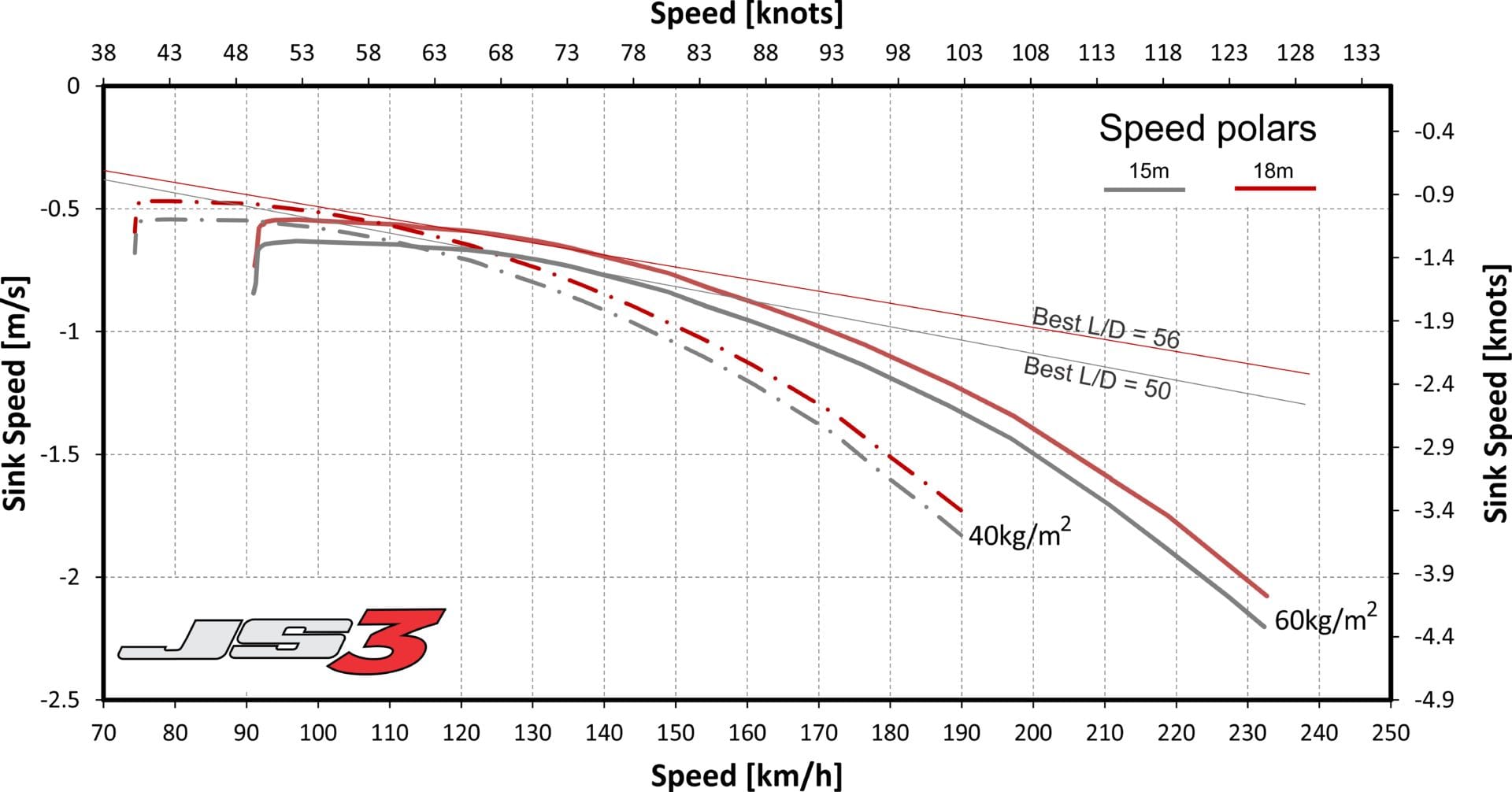
A wing loading of 60 kg/m², combined with a high-performance fuselage, gives the JS3 its unmatched high-speed capability.
The high-wing design was perfected for maximum drag reduction and an increase of effective wing area – enhancing slow speed flying and climbing.
- Control surface gaps are sealed using the Teflon/Mylar system.
- Boundary layer control through blowholes or zig-zag tape.
- Cockpit airflow is regulated with an integrated air extractor.
- Integrated bug wiper garages for aerodynamic cleanliness.
- Total energy and Pitot-static probes by Airsense, mounted at the tailplane extremities.
- Integrated water ballast tanks in the main wings – 132 liters.
- Expendable tail ballast tank – 5.8 liters.
- Non-expendable tail ballast tank – 8.9 liters.
- JS bug wipers operated by the On-Track programmable automatic winding system
- Retractable tail wheel
Wingspan | 18 m | 15 m |
Best L/D | 57:1 | 50:1 |
Minimum Sink | 0.48 m/s (94 ft/min) | 0.53 m/S (104 ft/min) |
Sink Rate & 200 km/h | 1.4 m/s (276 ft/min) | 1.5 m/s (295 ft/min) |
Max Wing Loading | 60 kg/m² (12.3 lbs/ft²) | 60 kg/m² (12.3 lbs/ft²) |
Min Wing Loading | 37 kg/m² (7.6 lbs/ft²) | 40 kg/m² (8.2 lbs/ft²) |
Water Ballast Capacity | 196 l (52 US gal lqd) | 162 l (43 US gal lqd) |
Wingspan | 18 m | 15 m |
Best L/D | 57:1 | 50:1 |
Minimum Sink | 0.48 m/s (94 ft/min) | 0.53m/s (104 ft/min) |
Sink Rate & 200 km/h | 1.40 m/s (276 ft/min) | 1.5 m/s (295 ft/min) |
Max Wing Loading | 60 kg/m² (12.3 lbs/ft²) | 60 kg/m² (12.3 lbs/ft²) |
Min Wing Loading * | 39.6 kg/m² (8.1 lbs/ft²) | 43.3 kg/m² (8.9 lbs/ft²) |
Water Ballast Capacity | 180.7 I (47.7 US gal lqd) | 146.7 I (38.7 US gal lqd) |
* 70 kg pilot, no High Voltage RES batteries.
A safety is not negotiable the JS3 is a clearly setting the standard. Flying a JS3 will give you a safe feeling with highly desirable flight characteristics.
The forward vision in flight from the JS3 cockpit is impeccable, designed that 12 o’clock traffic is visible, even those slightly lower than the horizon.
Flying fast in turbulent conditions? A high maximum rough air speed allows you to cruise safely and legally on those strong days.
Should you need to deploy your airbrakes at VNE , a unique damper system limits the extension rate, reducing the sharp stress impact on the wings and preventing your head
slamming through the canopy.
Our safety cockpit made from carbon and aramid fibre with integral crumple zones will stay intact even with an impact of 9Gs preventing serious injuries that may arise from that unfortunate situation.
Max Speed VNE | 280 km/h | 151 kts |
Max Rough Air Speed VA | 208 km/h | 112 kts |
Max Aerotow Speed VT | 180 km/h | 97 kts |
Max Decent Rate MAUW | 40 m/s | 7874 ft/min |
Cockpit Crash Resistance | 9G | 9G |
Max Speed VNE | 270 km/h | 145 kts |
Max Rough Air Speed VA | 195 km/h | 105 kts |
Max Aerotow Speed VT | 180 km/h | 97 kts |
Max Decent Rate MAUW | 40 m/s | 7874 ft/min |
Cockpit Crash Resistance | 9G | 9G |
- Automatically controls, including the water system
- Flarm™ collision-avoidance antenna in fin
- Warning limit switches for landing gear & airbrakes
- Water dump sensor
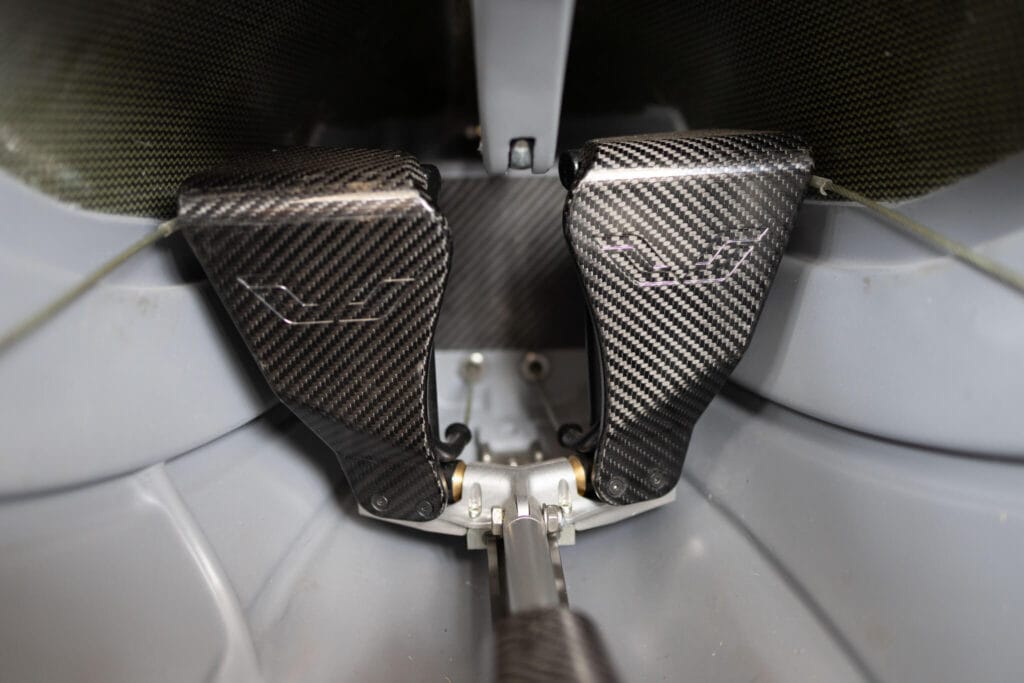
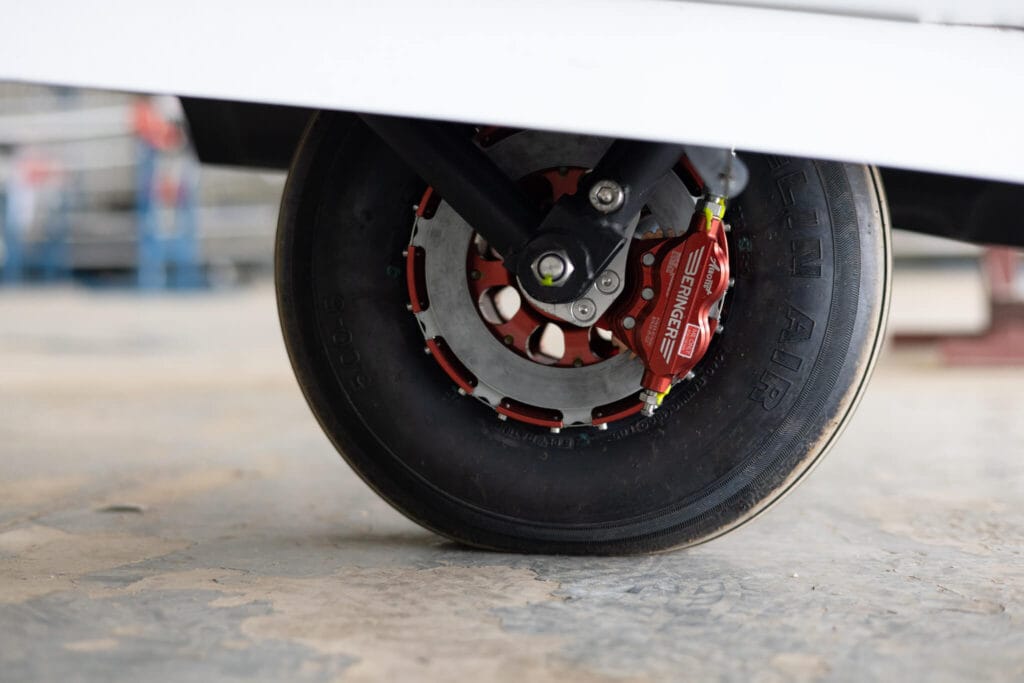
- Hydraulic disc brake activated by a dedicated brake lever on control stick
- Powerful airbrakes, lockable in different settings
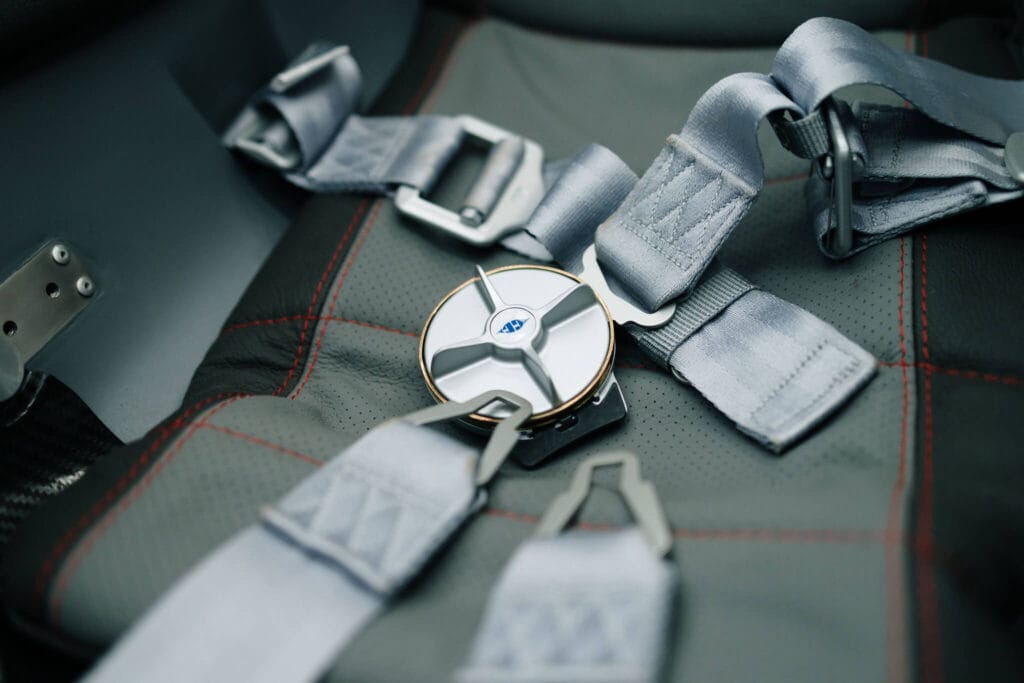
- Dynafoam™ energy-absorbing seat cushion
- MH AL-248 O2 cylinder holder with quick release
- Dolba transponder antenna in the vertical fin
- Flarm™ collision-avoidance antenna in front of vertical fin for maximum view angle and range
Performance in comfort is accessible to pilots of all sizes: the JS3 combines a low drag fuselage with the amazing ability to accommodate our flying giants.
But the JS3 is not designed just to be a contest winning racer. It has been designed to have the ultimate feeling of the air, light on the controls and stable in thermalling. Similar to the JS1,the JS3 can even be thermalled hands-off while bank and speed is maintained.
Control forces are designed to be extremely light, balanced with a gentle positive force/displacement curve, giving the glider an extremely pleasant feel of the air. The trim operation is light and easy, and flying out of trim is not uncomfortable at all. Even the flap forces are so light that you can feel the response of the air when making flaps changes.
Low time pilots instantly feel at home and are able to perform exceptionally well without much time in the cockpit.
Our pilots with less arm strength can easily operate and lock the airbrakes and landing gear even at speeds up to 200km/h.
Max Cockpit Weight | 115 kg | 254 lbs |
Maximum Size Pilot | 2.03m JET / 1.95m RES | 6 ft 8″ JET / 6 ft 5″ RES |
Airbrake Locking Forces | -15 daN | -15 daN |
Cockpit Shoulder Width | 525 mm | 20.7 inch |
Landing Gear Retracting Forces | -14 daN | -14 daN |
Inner Wing Panel Weights | < 65 kg | < 143 lbs |
- In-flight electrically adjustable rudder pedals
- Ground adjustable seatback with headrest
- Canopy side window with air scoop
- Green tinted canopy for increased UV protection
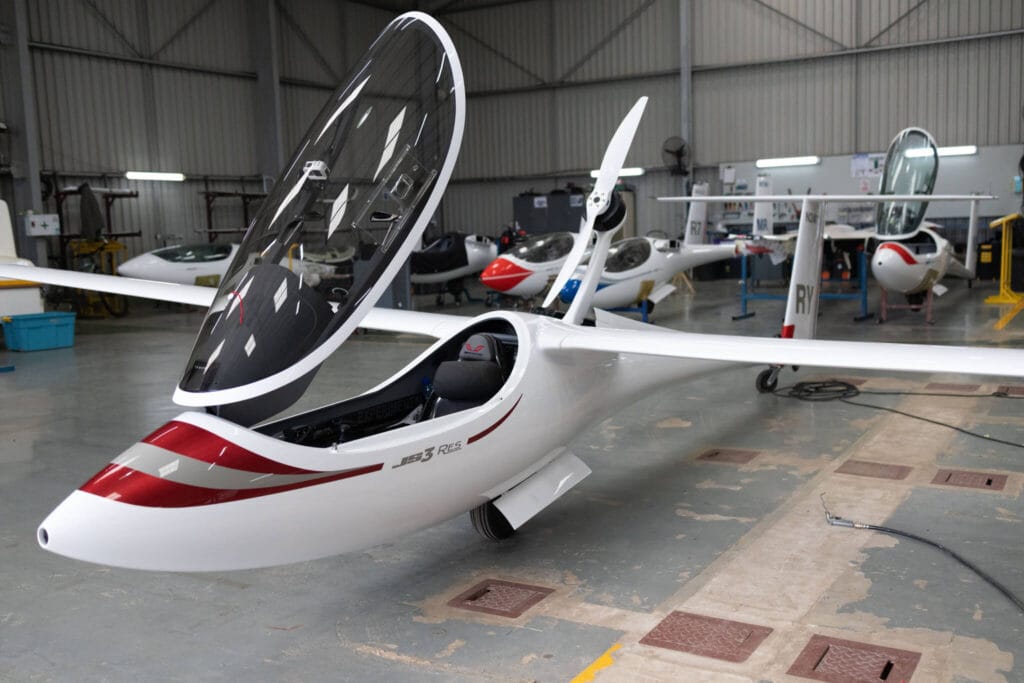
- Forward opening canopy for comfort
- Cockpit side vent with ventilation control
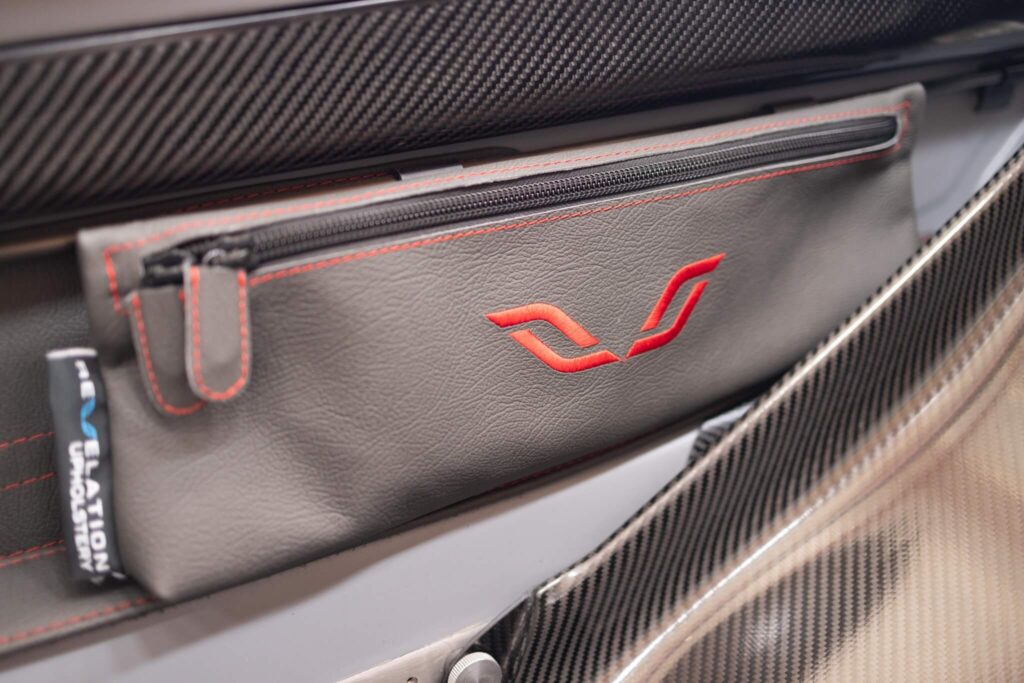
- Leather cockpit interior upholstery with storage pockets
- Tool bag with assembly grease and rigging tools
- Canopy cover, tail dolly
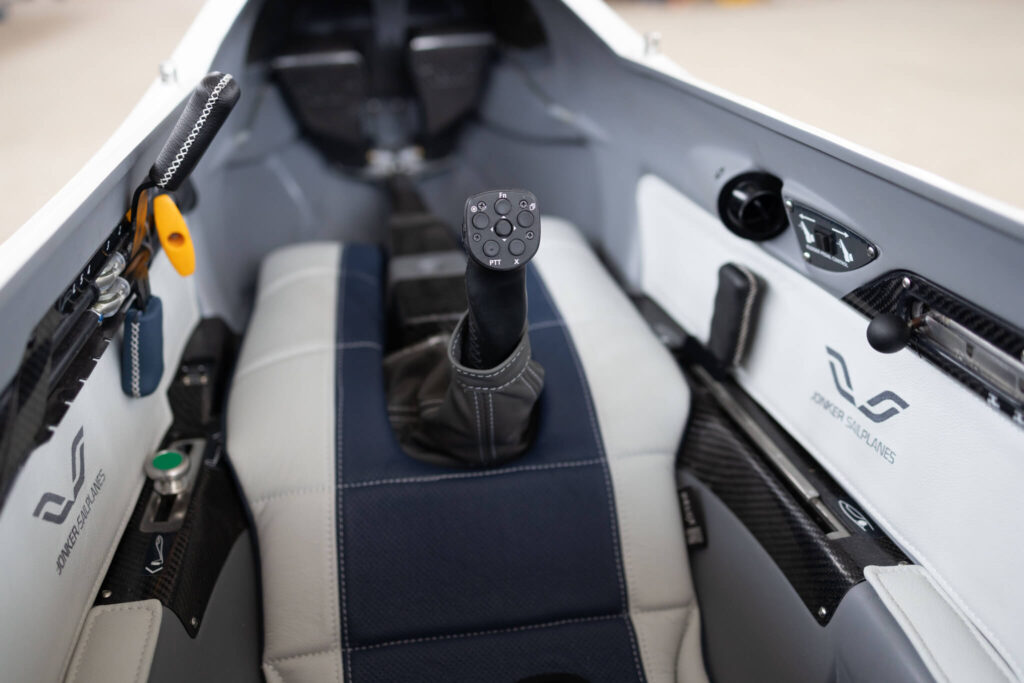
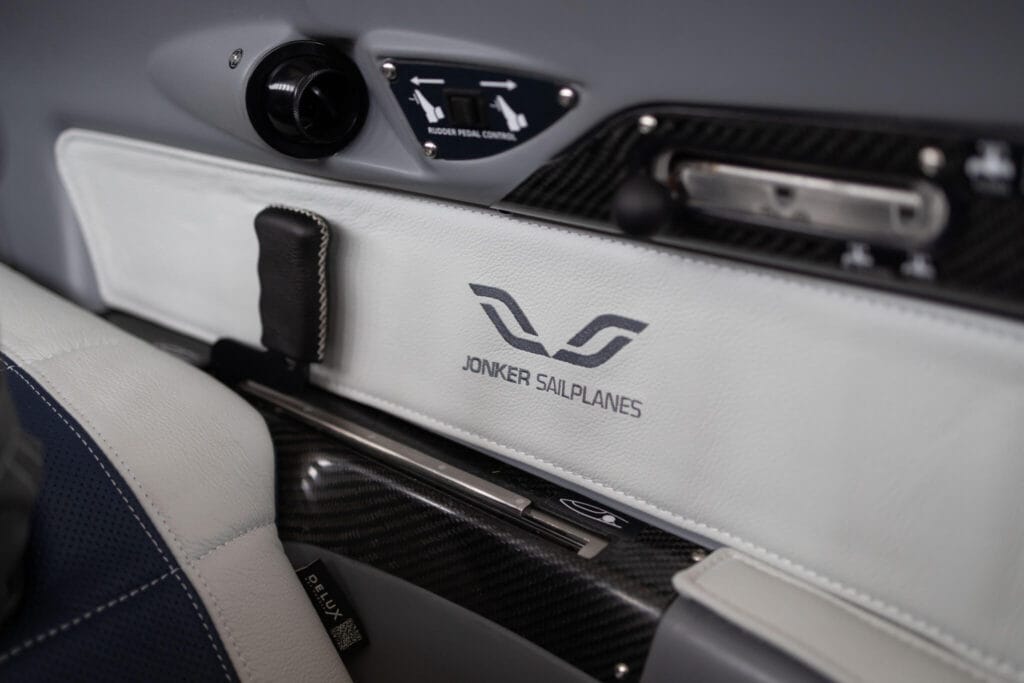
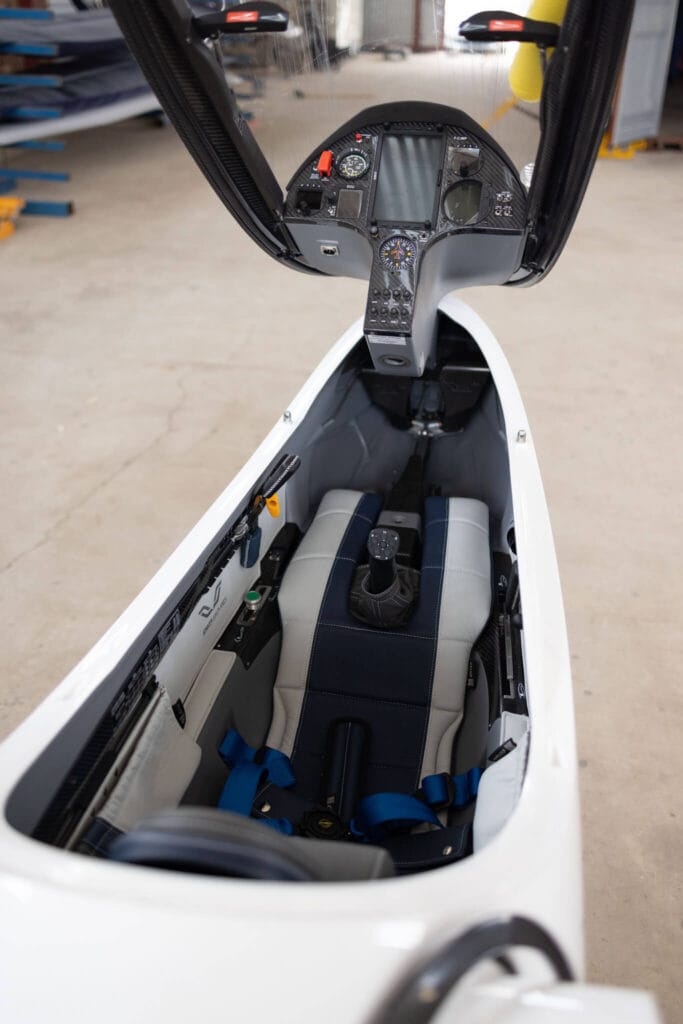
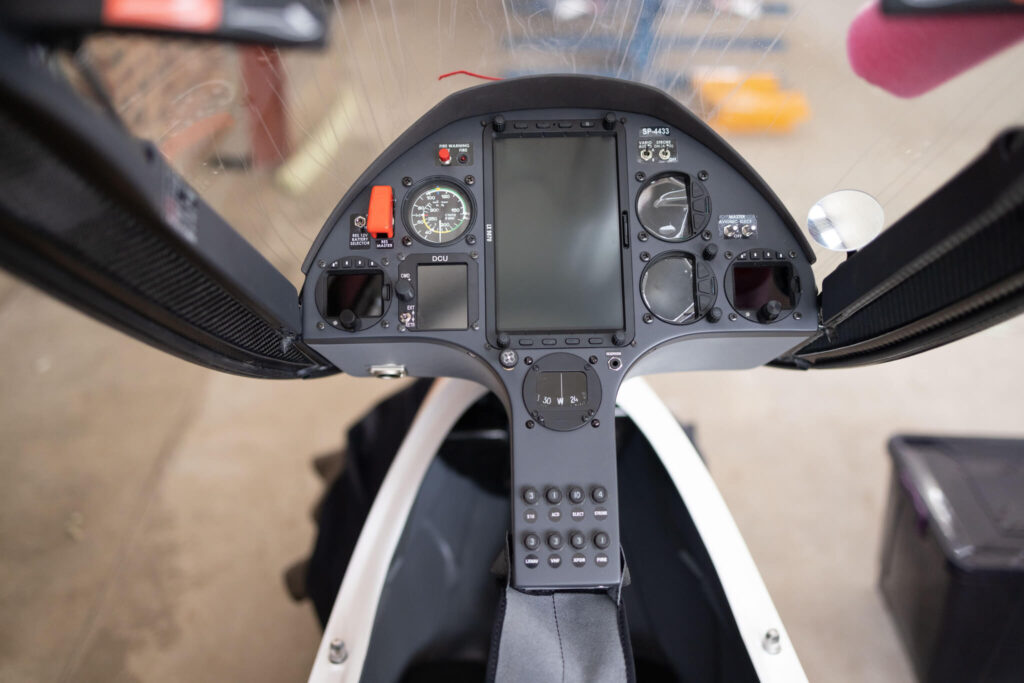
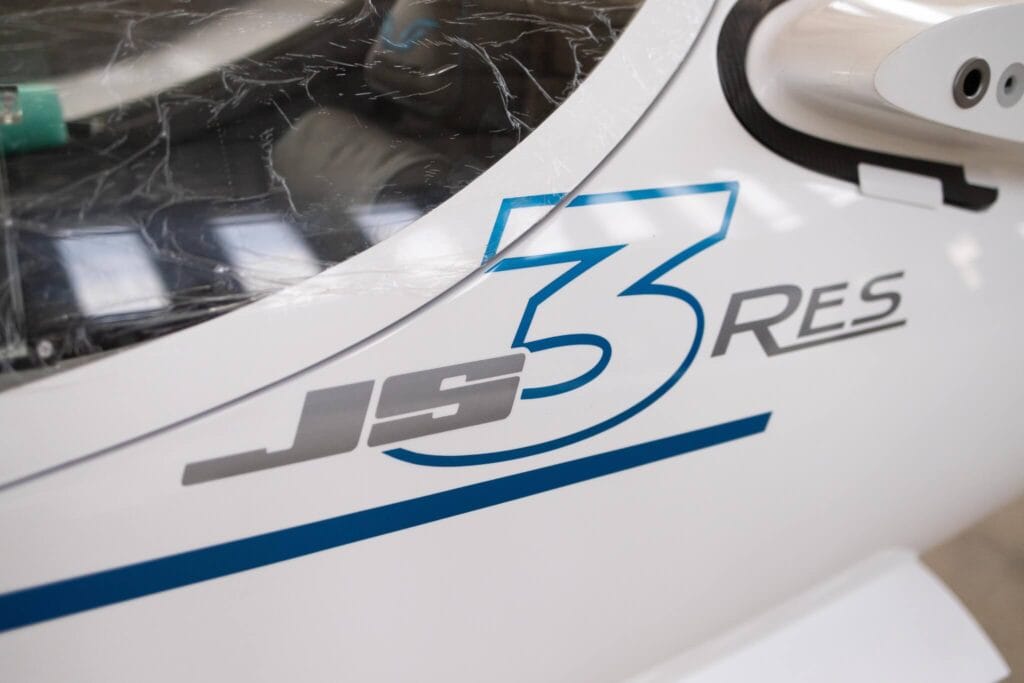
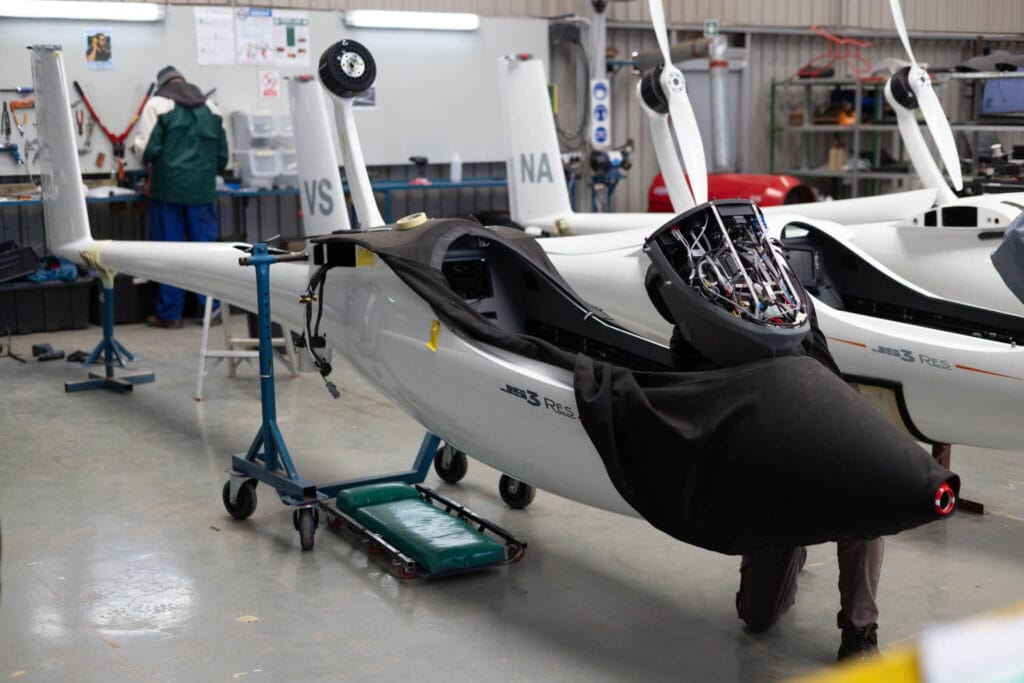
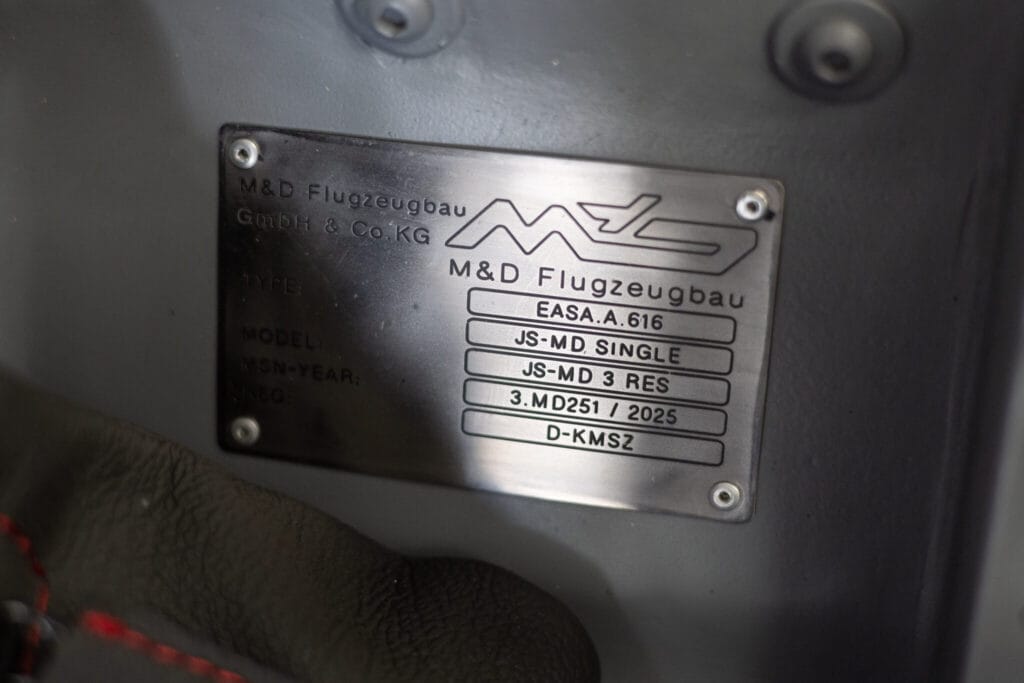
The design team started with a clean sheet – new wings, new fuselage new tail section – all integrated using calibrated CFD tools to extract the maximum performance.
Improvements on the highly successful JS1 were identified by Dr Johan Bosman in his P.hD studies over a period of 3 years – the research results formed the basis for the design of the JS3.
The most obvious and highest contributor to the improvements is the high wing position. This geometry enhances laminar flow profiles closer to the fuselage with less overall interference effects. The result is reduced flow separation on the top surface of the wing – a phenomenon clearly observed in wing configurations mounted lower on the fuselage.
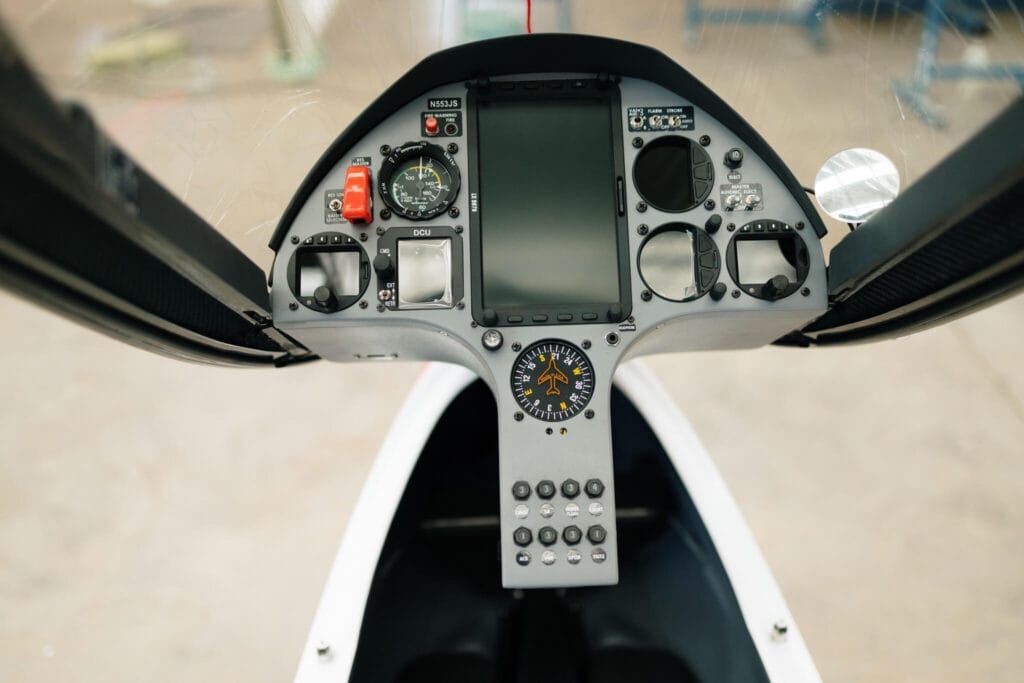
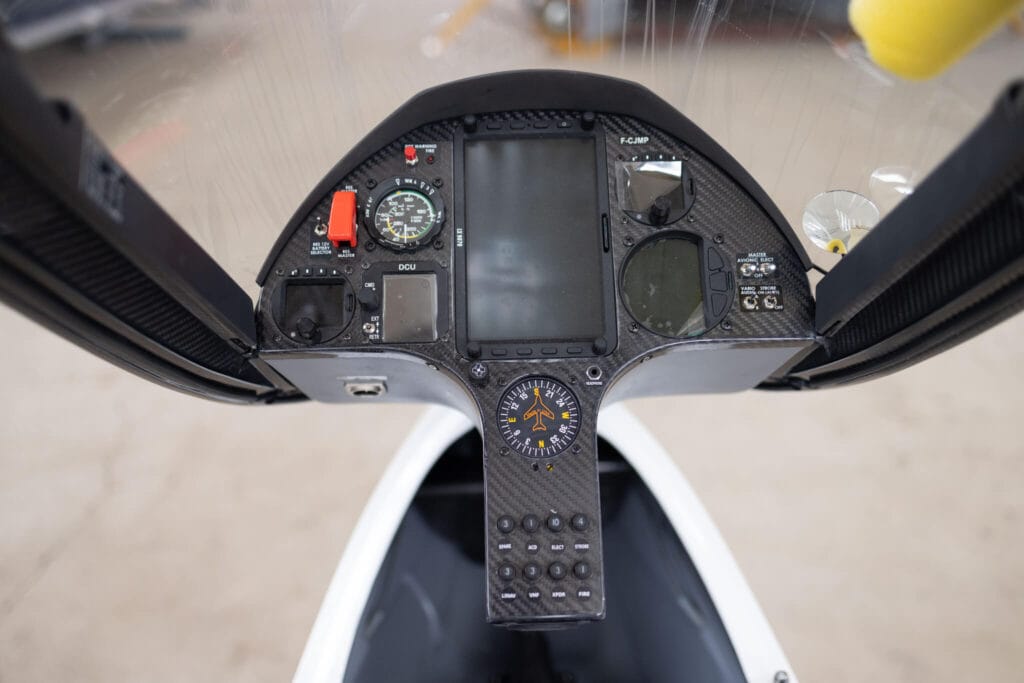
The cockpit is design using 3D ergonomic simulation software and refined with the assistance of Teams Design – a Design Company in Germany. Pilots of all sizes find a comfortable position with the controls and instruments within comfortable reach.
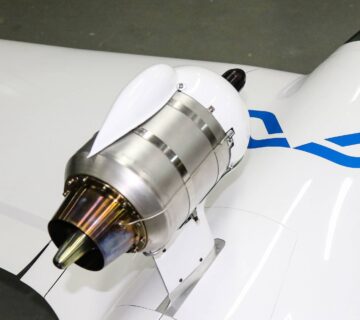
Jet Sustainer System
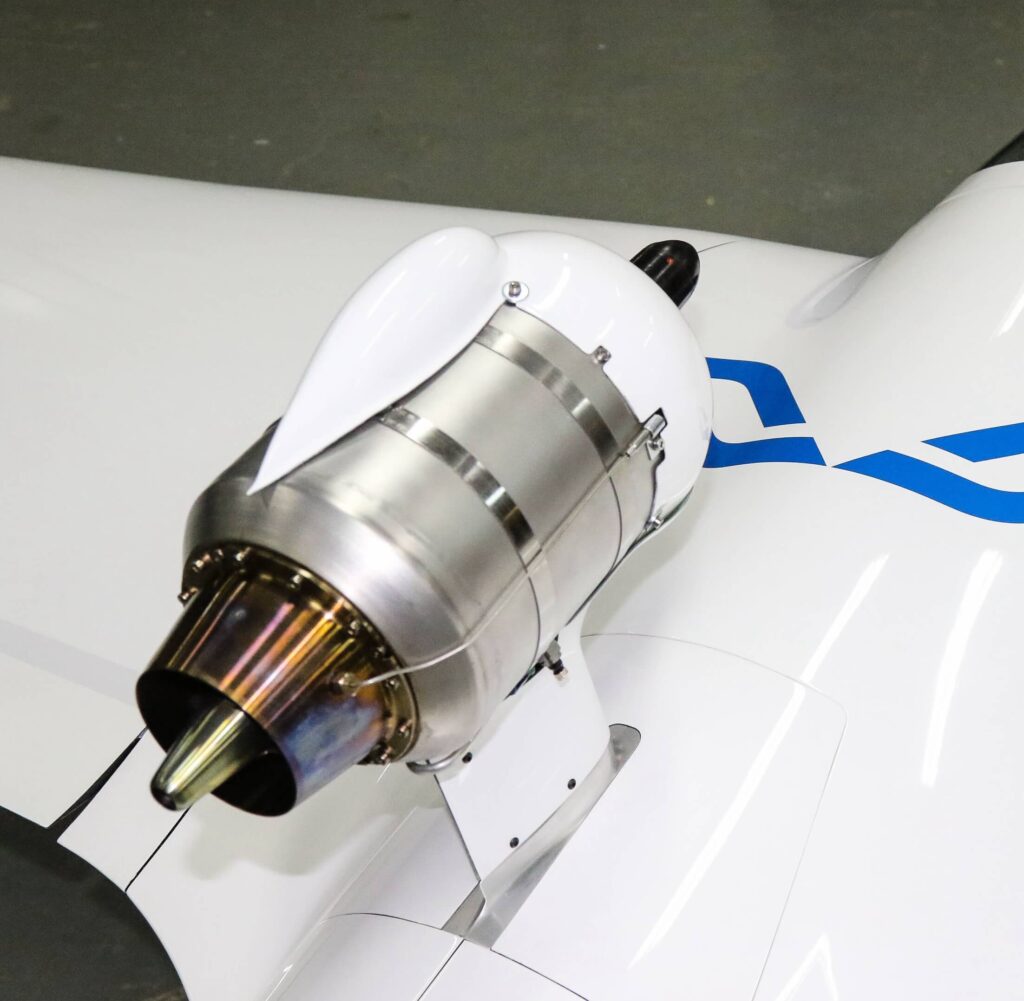
The MD TJ-42 Jet Sustainer System is the perfect match for JS gliders. Its performance and seamless integration ensure a smooth, effortless experience for the pilot. Operation is as simple as it gets—just one switch and a throttle dial. There’s no increase in workload and no noticeable performance loss with the jet extended. Reliable, efficient, and remarkably easy to use.
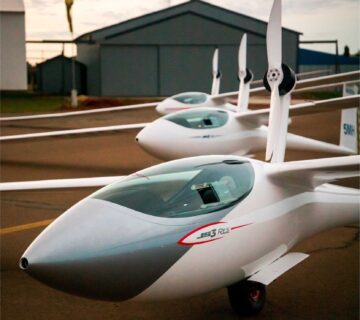
The Retractable Electric System (RES)
The RES serves as both a sustainer and a self-launcher, powered by two removable high-voltage batteries integrated in the fuselage. Developed with SOLO Aircraft Engines, it offers smooth, fully automated operation and precise power control via a rotary dial. Silent, clean, and reliable — the RES delivers true electric independence.
The JS3 RES offers true freedom with its Retractable Electric System – a quiet, clean electric self-launch capability that lets you take off whenever you want, without relying on a tow plane.
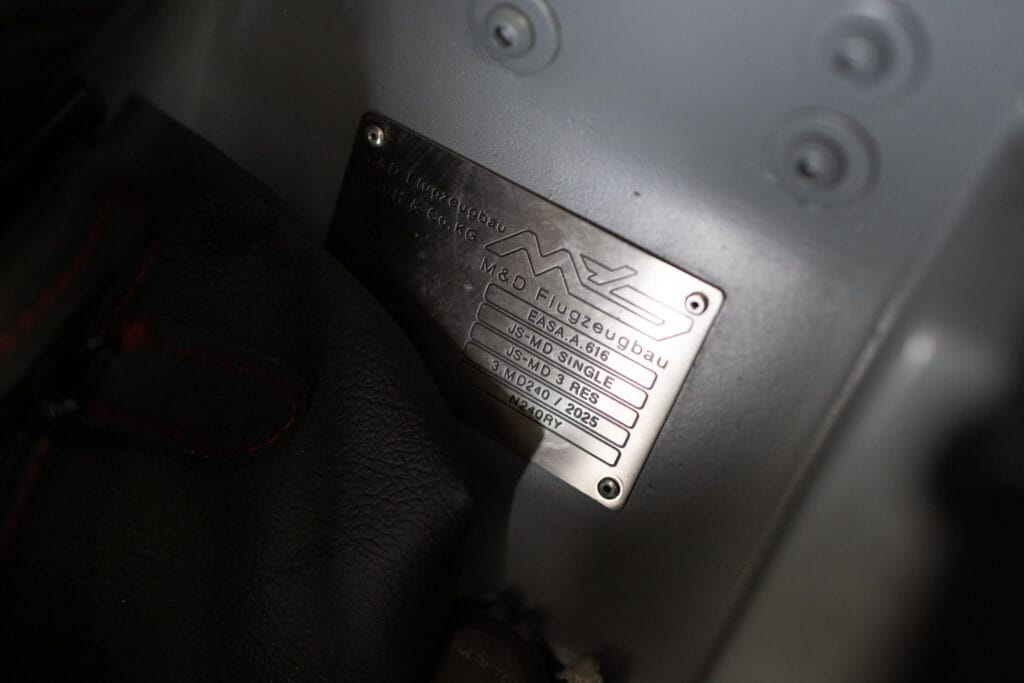
The JS3 JET shares the same high-performance airframe but is fitted with the proven MD-TJ 42 jet sustainer system from our partner M&D Flugzeugbau. This compact jet gives you an instant, powerful safety net in the air and dramatically extends your cross-country reach – all while keeping the sailplane light and agile.
Yes, under certain conditions. The box must already be installed in the fuselage in the raw glider. Retrofit kits or factory modifications can be discussed with our technical team. Contact us for details.
The JS3 offers a best glide ratio of approximately 57:1 at optimal weight and configuration. (See the official specifications page for the most up-to-date figures.)
Using the SOLO charger, the RES (Retractable Electric System) batteries can be fully charged in approximately 4–6 hours, depending on the battery state of charge and ambient conditions. This allows for convenient overnight or day-time charging, ensuring your JS glider is ready for its next self-launch flight.
Routine checks and servicing follow the maintenance manual provided with the aircraft. The jet sustainer is designed for minimal maintenance but must be inspected at regular intervals by qualified personnel.
At this stage, the lead time for a JS3 RES is approximately 12 months. Production slots may vary depending on order volume and configuration, so we recommend contacting our sales team to confirm current availability.
A compact travel charger is being developed for on-board use, enabling convenient charging at airfields or during trips, giving pilots more flexibility and independence.
The JS3 RES gives you full self-launch independence with its electric motor. The JS3 JET is a high-thrust sustainer designed for in-flight relights, climb-outs from low altitude, and extending your soaring adventures by app. 150 km more range – but it does not self-launch.
Both variants are available in 15 m and 18 m configurations, offering flexible performance options.
The JS3 RES has a slightly higher empty weight due to the engine installation with 2 RES batteries installed (each 23kg). Check our published specifications for exact numbers.
Yes. Jonker Sailplanes and SOLO Aircraft Engines are developing a compact travel charger designed for on-board use. This will allow pilots to charge the RES batteries conveniently during trips or at airfields without full charging infrastructure, providing greater flexibility and independence for self-launch operations.
The MD-TJ 42 jet sustainer is designed to operate on Jet A-1, Jet A, and diesel fuels. Always consult the Aircraft Flight Manual (AFM) or Maintenance Manual for the approved fuel list and operational guidance before use.
Jonker Sailplanes has produced until September 2025 275 JS3 Rapture gliders. Approximately half of these are equipped with the Retractable Electric Propulsion System (RES). This high-performance sailplane is offered in both 15-meter and 18-meter wingspan configurations. The first flight of the JS3 occurred on December 12, 2016, and it achieved EASA type certification on July 18, 2019
The JS3 is designed to accommodate pilots of all sizes, providing a comfortable seating position even for taller pilots up to approximately 2.00 m. Controls and instruments remain easily reachable, ensuring excellent handling and maximum comfort at all times.
The information and specifications presented on this website are provided for general guidance only and are subject to change without prior notice. While due care has been exercised in compiling this material, Jonker Sailplanes accepts no responsibility or liability for any errors, omissions, or inaccuracies. All performance data, masses, and figures are theoretical estimates and may vary in practice. Specifications and equipment may change without prior notification.
